
Venetian Blinds in Pakenham: The Complete 2026 Guide to Choosing, Buying & Installing Blinds Across Melbourne’s South-East

If you’re searching for venetian blinds in Pakenham — or trying to work out whether roller blinds, plantation shutters, or something else entirely is right for your bathroom in Dandenong or Kew — you’re not alone. These are some of the most-asked questions we hear from Melbourne’s south-east and inner-east homeowners every week. The short answer: for most Australian homes dealing with harsh summer UV, privacy requirements, and the desire for a clean modern aesthetic, venetian blinds remain one of the most versatile and cost-effective window covering choices available in 2026. But the detail — the slat width, material, mounting style, and supplier — makes all the difference between blinds that look beautiful for a decade and a set that warps, fades, or falls apart within a year. This guide cuts through the noise with honest, specific advice built on genuine industry experience.
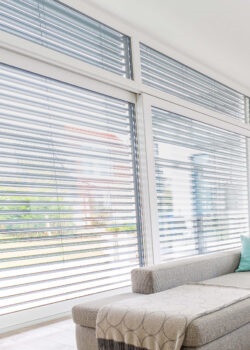
Why Venetian Blinds Are Still the Go-To for Australian Homes in 2026

Trends cycle through the home décor world at pace — Roman blinds were enormous five years ago, sheer curtains had their moment, and plantation shutters continue to command premium interest. Yet venetian blinds have never really gone away, and for good reason. They occupy a rare sweet spot: genuinely affordable, highly functional, available in a wide material range, and suited to almost every room in the house.

The key reason venetians remain so relevant in Australian homes specifically is louvre control. Unlike a roller blind that’s simply open or closed, venetians let you split the difference — angle the slats to bounce light off ceilings, maintaining brightness while blocking direct eye-level glare. For Queensland and Victorian homes where summer sun angle is low in the afternoon and punishing on west-facing windows, that directional control is genuinely valuable. It’s not just aesthetics; it’s functional climate management built into the product design.

🪟

Aluminium Venetian Blinds

The durability and heat-management champion. Ideal for kitchens, high-traffic areas, and any room with direct UV exposure.

Shop Aluminium Venetians →
🌿

Timber Venetian Blinds

Warm, textural, and unmistakably premium. Perfect for living areas, studies, and bedrooms where you want natural character.

Shop Timber Venetians →
🚿

Bathroom Roller Blinds

Moisture-rated fabrics with close-fit channels for privacy and mould resistance. The right solution for steamy wet areas.

Shop Bathroom Roller Blinds →
🏠

Faux-Timber Venetians

All the visual warmth of timber with the moisture resistance of PVC. A smart compromise for laundries and humid rooms.

Shop Faux-Timber →

Pakenham’s Climate Challenge: What It Actually Means for Your Blinds

Pakenham sits on Melbourne’s outer south-eastern fringe, at the foot of the Dandenong Ranges and the edge of the Gippsland plains. That geographic position creates a specific microclimate that most blinds guides — focused on inner-city or coastal conditions — completely fail to address.

📍 Pakenham
📍 Berwick
📍 Officer
📍 Beaconsfield

Summer Heat Load

Pakenham regularly exceeds 38°C during Melbourne’s January–February heat runs — and being further from the bay than suburbs like Frankston or Mornington, it lacks the coastal sea-breeze moderation. North and west-facing windows in a brick veneer home (the dominant construction type throughout the area) can reach internal glass surface temperatures above 60°C on peak days. That thermal load accelerates the degradation of lower-quality blinds — warping PVC, fading dyed fabrics, and degrading adhesive tapes in timber venetians.

💡 Pro Tip — Heat Management

For north- and west-facing windows in Pakenham, specify aluminium venetian blinds with a Solar Reflective (SR) or Satin Pearl finish. These coatings reflect a meaningful proportion of incident solar radiation before it enters the room, reducing cooling load and protecting the slat material itself from UV degradation.

Bushfire Ember Risk

Pakenham sits in, or adjacent to, Bushfire Attack Level (BAL) rated zones under Victoria’s Planning for Bushfire guidelines. Blinds on ember-exposed sides of dwellings in BAL-rated zones should be non-combustible or flame-retardant where possible. Aluminium venetian blinds are the obvious winner here — they’re inherently non-combustible. Check with your local council or building surveyor if your property has a BAL designation before ordering.

Winter Cold & Draught Management

Pakenham winters are cooler and longer than inner Melbourne. Overnight temperatures regularly drop to 4–7°C, and the area sits outside the urban heat island effect that keeps inner-city suburbs like Kew or Richmond several degrees warmer at night. Window coverings play a tangible role in thermal retention. Venetian blinds alone won’t stop draught — they don’t form a sealed barrier — but closing them fully against the glass creates a still-air buffer that meaningfully reduces conductive heat loss. The Australian Window Association recommends layering: venetian blinds behind a full-length blockout curtain or dual roller blind system for maximum winter thermal performance in cooler outer suburbs like Pakenham.

Aluminium vs Timber vs Faux-Timber Venetians: An Honest Comparison

The material you choose shapes everything about your venetian blinds — how long they last, how they look, how much they cost, and how they perform in different rooms. Here’s the complete breakdown without the marketing spin.

Feature Aluminium Real Timber Faux-Timber (PVC)
Moisture Resistance ✓ Excellent ✗ Poor (warps) ✓ Excellent
Heat Resistance ✓ Excellent Moderate — avoid direct UV ✓ Good
Aesthetic Warmth Functional / modern ✓ Premium natural warmth Good — mimics timber
Weight Very light Heavier (especially wide windows) Medium
Price Point Most affordable Premium Mid-range
Best Rooms Kitchen, bathroom*, office, garage Living room, bedroom, study Laundry, bathroom*, kitchen
Lifespan (typical) 10–15+ years 8–15 years (with care) 10–15 years
Eco Credentials Recyclable aluminium FSC timber available PVC (not biodegradable)

* For wet-area bathrooms, roller blinds with a moisture-rated fabric are generally preferred over any venetian blind type — see the bathroom section below.

If you’re outfitting a new home in Pakenham or Officer and trying to balance budget with aesthetics, aluminium venetians throughout the kitchen, laundry, and spare rooms — with timber venetians reserved for the master bedroom and main living area — is the strategy most of our experienced customers land on. You get the warmth where it matters and the durability where you need it.

Drowell Blinds Installation Team, Melbourne South-East

Slat Sizes Explained: 25mm, 35mm & 50mm Venetian Blinds

One of the most common questions from first-time buyers — and one that most competitor guides skim over with vague generalisations — is slat width. Here’s what actually matters.

25mm Slats

The fine-line option. 25mm slats create a tight, refined stack and are best suited to smaller windows: bathroom windows, kitchen rangehood areas, narrow feature windows. When raised, the stack height is proportionally larger relative to the glass area because you have more individual slats. This can block quite a bit of the view when the blind is up — something worth considering for windows you want to enjoy the outlook through.

35mm Slats

The versatile workhorse. 35mm suits most standard residential windows from 600mm to 1800mm wide. It’s the most commonly specified size across Australian homes because it balances privacy, light control, stack height, and aesthetics without leaning too far in any direction. If in doubt, 35mm is almost always a safe choice.

50mm Slats

The bold, contemporary option. 50mm slats are increasingly specified in new builds and renovations — particularly open-plan living areas and large study-nook windows. They read as architecturally considered and create fewer, chunkier horizontal lines that suit modern interiors. The wider slats also stack up faster when raised, revealing more of the window. Cleaning is also easier — fewer slats to wipe down. For large windows in Pakenham new estates or Dandenong North homes, 50mm aluminium venetians with a white or pearl finish are a very popular specification.

📐 Stack Height Rule of Thumb

The raised stack of a venetian blind typically occupies 10–14% of the window height. For a 2100mm-high window with 25mm slats, expect a stack of around 250–300mm. With 50mm slats on the same window, the stack compresses to 150–200mm — meaning more usable glass area when the blind is up. Always request a stack height calculation from your supplier before ordering for floor-to-ceiling windows.

Bathroom Roller Blinds in Kew & Dandenong: What Actually Works

Bathrooms are the most technically demanding window covering environment in any home — high humidity, steam cycles, splashback proximity, and the need for both privacy and light. It’s also where the most mistakes are made when buying blinds.

Whether you’re renovating a period-style home in Kew or updating a newer townhouse in Dandenong, the principles are the same: you need a blind specifically engineered for wet-area conditions — not a standard roller blind repurposed for a bathroom.

Why Standard Roller Blinds Fail in Bathrooms

Standard fabric roller blinds — even quality ones — are not designed to cope with repeated steam exposure. Over time, the fabric absorbs moisture, the bonding agent between PVC coating and fabric substrate can delaminate, mould spores colonise the fabric folds, and the aluminium tube can oxidise or corrode if the end caps aren’t sealed. We’ve seen even mid-range blinds fail within 18 months in south-facing Dandenong bathrooms with poor ventilation.

What to Look For in a Bathroom Roller Blind

  • 100% PVC-coated polyester fabric: Water rolls off rather than being absorbed. The fabric should feel plasticky — that’s intentional and correct for this application.
  • Mould-inhibiting treatment: Look for fabrics with an anti-microbial agent bonded into the coating — not just a surface spray applied at manufacture.
  • Sealed side channels or cassette system: These close the gap between the blind and the window reveal, dramatically improving privacy and reducing light gap. Critical for ground-floor bathrooms in Dandenong townhouses or older Kew homes with larger window openings.
  • Corrosion-resistant components: Stainless or anodised aluminium brackets, marine-grade tube end caps, and rust-proof chain mechanism. Standard aluminium brackets will corrode in high-humidity environments within a few years.
  • Ease of removal for cleaning: A bathroom blind needs to be wiped down regularly. Twist-on bracket systems that allow quick removal are far superior to fixed-mount options for maintenance.
💡 Kew Heritage Homes — Special Consideration

Many Kew homes are Edwardian or inter-war period dwellings with bathroom windows featuring decorative leadlight surrounds or non-standard reveals. If your bathroom window sits in a plaster architrave (common in older Kew properties), measure your mounting depth carefully — some cassette-system roller blinds require 70mm or more of recess depth. Measure before ordering, or request an in-home consultation to avoid costly remakes.

Choosing the Right Opacity for Bathroom Roller Blinds

There are three main opacity levels relevant to bathroom roller blinds: blockout (zero light transmission), translucent (diffuses light, silhouettes visible), and light-filtering (allows soft light, good privacy during daylight). For most Australian bathrooms:

  • Street-facing or ground-floor bathrooms → blockout fabric in a close-channel system for maximum privacy
  • Upper-floor or courtyard-facing bathrooms → translucent or light-filtering fabric to maintain ambience while showering
  • Skylights or clerestory windows → translucent with UV protection rating — you want the daylight, not the UV exposure on skin

For bathroom roller blinds in Dandenong homes — where many properties are two-storey townhouses with second-floor bathrooms — translucent fabrics with a privacy coating (opaque from the outside during daylight) are increasingly the popular choice. They maintain the bright, open feeling of the bathroom while blocking the view in from neighbours.

For bathroom roller blinds in Kew — where heritage character homes often have smaller, higher-set bathroom windows — a blockout fabric in a neutral linen tone or white tends to complement the period aesthetic best while handling the privacy requirement cleanly.

Explore the full range of moisture-rated options at Drowell Blinds’ roller blinds collection — all available for measure and install across Melbourne’s inner east and south-east.

Buying Blinds in Dandenong: What Locals Actually Need to Know

Dandenong is one of Melbourne’s most diverse and fastest-growing urban centres — a mix of established period homes, high-density townhouse developments, newer apartment buildings, and light industrial-adjacent residential streets. This variety creates real variation in what blinds in Dandenong need to do.

New Townhouse & Apartment Developments

The wave of medium-density development around Dandenong Station and Noble Park North has created a specific requirement: blinds that fit non-standard window configurations. Multi-panel bifold windows, extra-tall glazed walls, and corner windows without centre posts are common in newer stock. Standard off-the-shelf blinds from hardware chains rarely fit these openings properly. Custom-made venetian blinds and custom-measured roller blinds are almost always the right answer — and given the cost difference between a hardware-store failure and a quality custom blind is often minimal on a per-window basis, this is consistently the better financial decision.

Established Brick Homes

Dandenong’s older residential streets — particularly those developed through the 1960s–1980s — feature double-brick or brick veneer construction with aluminium or timber-framed standard windows. These are generally easier to measure and fit. The key consideration here is thermal performance: these homes often lack the ceiling insulation and double glazing of newer builds, making quality window coverings more impactful on both summer cooling and winter heating bills.

For an honest overview of how window furnishings interact with home energy performance, CHOICE Australia’s guide to window furnishings and energy efficiency is one of the better independent resources available — worth a read before you commit to a product type.

📍 Serving Dandenong & Surrounds

Drowell Blinds supplies and installs venetian blinds, roller blinds, and a full range of window furnishings across Greater Dandenong — including Dandenong, Noble Park, Springvale, Keysborough, and Lyndhurst. In-home consultations available — no obligation, no pressure.

How to Measure Your Windows Accurately for Venetian Blinds

Poor measuring is the number one reason for blinds remakes — and unfortunately, it’s almost always the customer’s responsibility when ordering online without a measure service. Here’s the exact method our installers use.

  1. Decide on mount type first

    Inside mount (blind sits within the window recess) or outside mount (blind covers the wall face around the window). Inside mount gives a cleaner, more architectural look. Outside mount is better for light control and can make a small window appear larger.

  2. Use a steel tape measure — always

    Cloth or plastic tapes stretch under tension and give inaccurate readings. For blind measuring, you need a rigid steel tape. Measure in millimetres, not centimetres.

  3. Measure width at three heights

    For inside mount: measure the internal recess width at the top, middle, and bottom of the opening. Walls are rarely perfectly square — use the smallest measurement for your blind width. The factory will apply the necessary deduction (typically 5mm each side) for operating clearance.

  4. Measure drop from top to bottom

    For inside mount: from the top of the recess to the window sill. For outside mount: measure from where you want the headrail top to sit (typically 75–100mm above the frame) down to where you want the blind to finish (usually 50mm below the sill for full coverage).

  5. Check your recess depth

    For inside-mount venetian blinds, you need at least 45mm of recess depth for the headrail and operating mechanism. If your reveal is shallower (common in older aluminium-framed windows), you’ll need an outside mount or a slim-profile headrail product.

  6. Note any obstructions

    Winder handles, security latches, and tilt-and-turn hardware all affect how your blind sits and operates. Note their position and protrusion depth when measuring — a good supplier will advise on appropriate clearances.

🎯 Prefer Certainty? Book a Free Measure

For complex or large-volume installations — whole-house fitouts, non-standard windows, or heritage properties — a professional in-home measure eliminates guesswork entirely. Contact Drowell Blinds to arrange a free measure and quote across Pakenham, Dandenong, Kew, and all surrounding Melbourne suburbs.

DIY vs Professional Installation: Making the Right Call

Venetian blinds are among the more DIY-friendly window coverings — far simpler to install than plantation shutters, roman blinds, or motorised systems. Most aluminium venetians can be bracket-mounted with a standard drill and a spirit level in 20–30 minutes per window. But “can be” doesn’t mean “should be.”

When DIY Installation Makes Sense

  • Straightforward rectangular windows with clear, accessible walls
  • Standard inside or outside mount with adequate recess depth
  • You’re comfortable using a drill and working from a ladder
  • No heritage wall finishes, plaster mouldings, or render that could crack if misdrilled
  • You have the time to do it methodically — rushing is where mistakes happen

When to Use a Professional Installer

  • Large-format or floor-to-ceiling windows (the weight and alignment requirement is significantly higher)
  • Motorised or smart home–integrated blinds (incorrect wiring or mounting creates real problems)
  • Heritage properties with cornices, decorative plasterwork, or rendered brick where drilling requires extra care
  • Multi-window whole-home installations where consistency and alignment across rooms is important
  • Rental properties where you’re responsible for making good any installation damage

For reference, the Australian fair trading guidelines on minor renovation work are worth checking if you’re unsure about what’s considered licensed work in your state. Blind installation is generally unlicensed in Victoria, but electrical work (for motorised blinds) is always a licensed trade.

Energy Efficiency & UV Protection: The Numbers That Matter

Window coverings are a legitimate part of your home’s thermal envelope — and in an Australian climate where both summer cooling and winter heating costs are significant, choosing the right blind type and operating it correctly makes a measurable difference.

What the Research Shows

The Australian Window Association has quantified the energy impact of window coverings on residential buildings. Well-fitted blinds and curtains combined can reduce summer heat gain through windows by up to 33% (for blockout-backed fabrics on west-facing glass) and reduce winter heat loss by up to 20% compared to unshaded double-glazed windows. On single-glazed windows — still common in Pakenham homes built before 1995 — the relative impact is even larger.

Operating Your Venetian Blinds for Maximum Efficiency

This is the part most guides miss. It’s not just about what blind you have — it’s how you operate it:

  • Summer, north windows: Close blinds from mid-morning onwards, angled upward so reflected light bounces toward the ceiling rather than into the room’s mid-space.
  • Summer, east windows: Close before sunrise (or set automated to close overnight) and open fully once the sun has moved past that face — typically by 10:00am.
  • Summer, west windows: The hardest face. Keep blinds closed from midday onwards — fully closed, louvres angled downward, to prevent the harshest afternoon heat from entering. This is where reflective aluminium venetians earn their keep.
  • Winter, all windows: Open fully to maximise passive solar gain during daylight. Close fully — and close curtains over the top if you have them — as soon as the sun leaves each face, to trap the day’s accumulated warmth.

UV Protection — Protecting Your Interiors

Australian UV levels are among the highest in the world — a fact reflected in our skin cancer rates, but equally relevant to your furnishings. UV radiation fades timber floors, bleaches fabric upholstery, and degrades leather furniture over time. Venetian blinds provide meaningful UV protection when closed, with quality aluminium blinds blocking approximately 85–95% of UV radiation even with slats slightly angled. If UV protection is your primary concern (for a sun-facing room with valuable flooring or artwork), consider specifying a UV-blocking interlining behind your venetians, or investigate UV-filtering glazing with your window supplier.

Cleaning & Maintaining Your Venetian Blinds: A Room-by-Room Guide

Venetian blinds collect dust — that’s simply physics. Horizontal surfaces face upward and accumulate airborne particles, particularly in kitchens (grease particles) and households with pets or frequent opening of doors and windows. Regular maintenance is the key to extending their lifespan and keeping them looking sharp.

Aluminium Venetians — Regular Maintenance

Close the louvres flat (horizontal). Using a microfibre cloth — or a blind-specific duster with individual slat channels — wipe from the headrail end outward across each slat. Reverse the louvres and repeat on the other face. For a deeper clean every 6–12 months: remove the blind, lay it flat in the bathtub with warm water and a small amount of mild detergent, agitate gently, rinse thoroughly, and hang vertically to drain and dry completely before reinstalling. Never reinstall a blind that’s still damp — moisture trapped in the headrail mechanism causes corrosion.

Timber Venetians — Handle with Care

Timber venetians require a dry or very lightly damp approach only. Never submerge timber slats in water — they will swell, warp, and lose their surface finish. Use a dry microfibre cloth for regular dusting, and a cloth barely dampened with clean water for spot cleaning. Avoid spray cleaners directly on timber slats — spray onto the cloth first. In dry inland climates (and Pakenham can get quite dry in summer), a very light application of furniture polish once per year keeps the timber from drying out and cracking along the grain.

Bathroom Roller Blinds — Wipe-Down Routine

For moisture-rated PVC bathroom roller blinds — the kind recommended for bathroom roller blinds in Kew or Dandenong homes — maintenance is straightforward: lower the blind fully, wipe with a damp cloth and mild all-purpose cleaner, and leave to air dry before rolling back up. Never roll a PVC blind up wet — moisture trapped in the roll creates the mould conditions you’re trying to prevent. Leave the blind down until it’s fully dry — 30–45 minutes in a ventilated bathroom is usually sufficient.

Frequently Asked Questions About Venetian Blinds & Bathroom Roller Blinds

What are the best venetian blinds for Pakenham’s hot summers?
For Pakenham’s harsh summer heat, 50mm aluminium venetian blinds with a light-reflective finish (pearl, white, or solar reflective coating) are the top performers. They deflect radiant heat while giving you precise louvre control to manage light angle. Timber venetians are better suited to living areas where aesthetics matter most, but aluminium wins on pure heat management for north- and west-facing rooms where temperatures are most aggressive in summer.
Are roller blinds suitable for bathrooms in Melbourne?
Yes — provided you select a PVC-coated or moisture-resistant fabric specifically rated for wet areas. Standard fabric roller blinds will warp, mould, and discolour in a steamy bathroom environment within 12–24 months. Purpose-built bathroom roller blinds — like those available through Drowell Blinds — use water-resistant PVC-coated polyester that wipes clean and resists mildew, paired with a close-channel or cassette system that improves privacy. This applies equally whether you’re looking for bathroom roller blinds in Kew, bathroom roller blinds in Dandenong, or any Melbourne suburb.
How do I measure venetian blinds correctly?
For an inside mount (recess fit): measure the exact internal width at three points (top, middle, bottom) and use the narrowest measurement. Measure the drop from the top of the recess to the window sill. For an outside mount: add at least 50mm to each side of the window width and position the headrail bracket 75–100mm above the frame top. Always use a steel tape measure, never cloth. Measure in millimetres for precision. When in doubt, book a free in-home measure through Drowell Blinds — it eliminates all guesswork.
What’s the difference between 25mm, 35mm, and 50mm slat venetian blinds?
Slat width affects both aesthetics and functionality. 25mm slats suit smaller windows and deliver a fine, refined look but produce a larger stack height relative to window size. 35mm is the versatile mid-option that works across most standard residential windows — it’s the most popular choice for a reason. 50mm slats create a bold, contemporary statement, stack smaller relative to window size (revealing more glass when open), and are easier to clean — making them excellent for large windows, open-plan living areas, and modern home designs.
Do venetian blinds provide enough privacy at night?
When fully closed with louvres angled correctly, quality venetian blinds provide solid privacy. However, some light seeps around the headrail, bottom rail, and side edges — particularly obvious at night when interior lighting is bright and exterior is dark. For ground-floor bedrooms or street-facing rooms where complete night-time privacy is critical, consider pairing venetian blinds with a sheer roller blind as a double-layer system, or opt for a blockout roller blind as the primary covering. Drowell Blinds offers dual-blind systems for exactly this requirement.
How do I clean venetian blinds properly?
For aluminium or PVC venetians: close the louvres flat, wipe each slat with a damp microfibre cloth from one end to the other, then reverse the louvres and repeat. For a deep clean, remove the blind and lay flat in a bathtub with warm water and mild detergent, rinse thoroughly, and hang to dry completely before reinstalling. For timber venetians: use a dry cloth only — never soak the slats. A dry microfibre duster or barely-damp cloth is the maximum moisture you should apply to real timber slats.
What blinds are best for reducing energy bills in Melbourne?
Honeycomb (cellular) blinds are the gold standard for insulation, trapping air in their cell structure to create a thermal barrier. For venetian-style solutions, 50mm aluminium venetians with a reflective pearl or white finish perform well against summer heat gain. In winter, closing all blinds as soon as the sun leaves each window face — and layering with curtains on south- and west-facing windows — meaningfully reduces heat loss through the glass. The Australian Window Association confirms well-fitted window coverings can reduce household heating and cooling costs by up to 20% compared to uncovered single-glazed windows.
Can I get venetian blinds custom-made for non-standard window sizes in Pakenham?
Absolutely — and this is standard practice, not an exception. Drowell Blinds manufactures to exact millimetre specifications for any window size. Non-standard openings including unusual widths, very narrow windows, corner windows, and shaped reveals can all be accommodated. The key is getting the measuring right before ordering. For complex configurations, an in-home measure is always recommended.
How long do venetian blinds last in an Australian home?
Quality aluminium venetian blinds, properly maintained and not exposed to excessive moisture, routinely last 12–15 years and often longer. Timber venetians typically last 8–15 years depending on UV exposure and care. Faux-timber PVC venetians fall in the 10–15 year range. The biggest lifespan killers are: wrong material for the environment (real timber in a humid kitchen), failure to clean regularly (dust and grease accumulation accelerates cord degradation), and cheap cord and headrail components from low-quality suppliers. Investing in quality upfront is consistently the better long-term financial decision.
Are venetian blinds child-safe?
This is critically important. The Australian Competition and Consumer Commission (ACCC) has strict mandatory safety standards for corded window coverings following fatalities involving children entangled in loose cords. In Australia, all new corded blinds must comply with AS/NZS 2080:2006 and the mandatory safety standard for corded internal window coverings. When purchasing venetian blinds for any room accessible to children under 10 years, specify a cordless lift mechanism (wand-tilt only) or motorised operation. Drowell Blinds offers child-safe cordless options across the full venetian blind range — always ask specifically if you have young children in the home.
Ready to Transform Your Windows?

Get Expert Advice & a Free Quote — Pakenham, Dandenong, Kew & All Melbourne Suburbs

Drowell Blinds supplies and installs premium venetian blinds, bathroom roller blinds, and the full range of window furnishings across Melbourne’s south-east and inner suburbs. Custom-made to measure. Professional installation available. No-obligation consultation.

Drowell Blinds Expert Team — Melbourne

With over a decade of experience supplying and installing custom window furnishings across Melbourne’s south-east and inner suburbs, the Drowell Blinds team specialises in venetian blinds, roller blinds, and complete window covering solutions for Australian homes and businesses. All content reviewed for accuracy against current Australian product standards and building guidelines.

Bathroom Roller Blinds Kew & Beyond: The Real Buyer’s Guide Australian Homeowners Need

Bathroom Roller Blinds Kew & Beyond: The Real Buyer’s Guide Australian Homeowners Need

Bathroom Roller Blinds Kew: Your Complete 2026 Guide | Drowell Blinds

What’s the best blind for a bathroom window — roller, venetian, or something else? How do you stop mould taking hold in Melbourne’s muggy summers? And does it matter whether you’re in Kew, Dandenong, or Pakenham when it comes to choosing the right material? These are the questions we hear every week at Drowell Blinds, and this guide answers all of them — without the fluff.

Bathroom window treatments are genuinely different from every other room in your home. The combination of steam, condensation, direct water splash, cleaning chemicals, and fluctuating temperatures means the blind you choose can either last 15 years or start falling apart in 18 months. If you’re researching bathroom roller blinds in Kew, investigating blinds in Dandenong, or weighing up venetian blinds in Pakenham, this is the complete, no-nonsense resource you’ve been looking for.

We’ve been supplying and installing window furnishings across Melbourne’s south-east for over 20 years, which means we’ve seen every mistake a homeowner can make — and a few the internet hasn’t warned you about yet. Let’s start with what actually matters.

20+
Years serving Melbourne
5yr
Product warranty
100%
Australian owned & operated
Free
Measure & quote

Why Your Bathroom Demands a Specialist Blind (And What Goes Wrong When You Ignore This)

Most homeowners walk into a bathroom renovation and select blinds the same way they would for a lounge room — by looks alone. It’s an understandable mistake, but an expensive one. A standard fabric roller blind that performs beautifully in a bedroom will begin to develop mould within months in a bathroom environment, particularly in Melbourne’s humidity-prone suburbs.

Here’s what’s happening scientifically: every time someone takes a hot shower, the room fills with steam. That steam condenses onto the coolest surfaces available — including your window blind. If your blind is made from a porous material (cotton, standard polyester, real timber), it absorbs that moisture. Over time, this creates a cycle of damp and dry conditions that is the perfect breeding ground for mould and mildew. Colour fades, fabric warps, mechanisms seize up — and you’re back to square one.

The single most important rule for bathroom blinds: the material must be non-porous, or treated with a certified water-repellent coating. Everything else — style, colour, mechanism — comes second.

The specific climate in Kew and inner Melbourne’s east adds another layer of complexity. Kew experiences genuine temperature swings across the seasons: summer humidity, winter condensation on cold windows, and everything in between. Homes in Kew’s older residential streets often feature heritage-style bathroom windows — recessed into thick brick walls, non-standard in size, and sometimes angled in ways that make off-the-shelf blinds a poor fit. This is precisely why custom, made-to-measure solutions are so popular in the area.

Meanwhile, in Dandenong and Pakenham — growth corridors with a mix of established homes and new builds — the challenge is different. Newer bathrooms tend to have larger windows for natural light, which means light control becomes just as important as moisture resistance.

The Complete Material Guide: What Actually Works in a Bathroom

Not all moisture-resistant blinds are created equal. Here’s a frank breakdown of the main material categories, what they’re genuinely good for, and where they fall short.

PVC Roller Blinds

PVC is the gold standard for truly waterproof bathroom blinds. The material is non-porous all the way through — you could submerge a PVC roller blind in water and it would be completely fine when you pulled it out. There are no holes, seams, or fabric weave for mould to colonise. Cleaning is as simple as wiping it down with a damp cloth. For en-suites and main bathrooms with showers, particularly in older Kew homes where ventilation is limited, a PVC roller blind is often the most sensible long-term investment.

The trade-off is aesthetic flexibility. PVC tends to have a more utilitarian appearance than fabric options, though quality ranges vary — premium PVC can look genuinely sleek and contemporary.

Moisture-Resistant Treated Polyester

Vinyl-coated polyester and treated polyester fabrics represent the middle ground between pure PVC and standard fabric. These materials are treated with water-repellent finishes — sometimes nano-coatings — that cause water to bead and roll off rather than soak in. They offer far greater design variety than PVC: more colours, textures, and light-filtering options.

The important caveat: water-repellent is not waterproof. Over years of daily steam exposure, coatings can degrade. For powder rooms or guest bathrooms that see lighter use, treated polyester is an excellent choice. For main bathrooms and en-suites with daily showers, consider PVC or aluminium alternatives.

Aluminium Venetian Blinds

This is where bathroom roller blinds and venetian options truly diverge. Aluminium venetian blinds are moisture-resistant, rust-proof (provided the mechanism uses quality stainless or coated components), and completely mould-proof. They don’t absorb water at all. The adjustable slat design gives you precise light control — useful in bathrooms where you want natural light without sacrificing privacy. They’re particularly popular for bathrooms in Dandenong and Pakenham new builds where the contemporary aesthetic suits the interior design direction.

The maintenance note: aluminium venetian slats require individual cleaning, which takes longer than wiping down a single roller surface. Dust accumulates in the slats, and in a bathroom environment, that dust can become damp and sticky if ventilation is poor.

PVC Venetian Blinds (Faux Timber)

PVC venetians — often sold as “faux timber” or “wood look” — give you the warm aesthetic of timber Venetian blinds without any of the moisture vulnerability. Real timber warps, swells, and eventually cracks when exposed to bathroom humidity. PVC venetians look virtually identical at normal viewing distances, last significantly longer in wet environments, and are available across a wide range of colours and slat widths. For Kew homes with period-style bathrooms where the owner wants a warm, classic look, PVC venetians offer the best of both worlds.

⚡ Pro Tip from Our Installers When fitting any venetian blind in a bathroom — aluminium or PVC — always specify stainless steel chains and brackets, not chrome-plated ones. Chrome-plated components will corrode in bathroom humidity within a few years, no matter how well-made the slats themselves are.

At a Glance: Bathroom Blind Materials Compared

Material Waterproof Rating Mould Resistance Design Range Maintenance Best For
PVC Roller Blind Best Fully waterproof Excellent Limited Very easy — wipe clean Main bathrooms, en-suites
Treated Polyester Roller Good Water-resistant Good Extensive Easy Powder rooms, guest baths
Aluminium Venetian Good Moisture-resistant Excellent Moderate Moderate — slat cleaning Contemporary new builds
PVC / Faux Timber Venetian Moisture-resistant Excellent Good Moderate — slat cleaning Heritage & classic interiors
Real Timber Venetian Not recommended Poor Excellent Difficult Dry areas only
Standard Fabric Roller Not recommended Poor Extensive Difficult Dry areas only

Custom-Made vs. Ready-Made: Which Is Right for Your Bathroom in Kew, Dandenong, or Pakenham?

This debate comes up constantly, and the honest answer is that it depends almost entirely on your windows. Let’s cut through it.

When Ready-Made Works Fine

If your bathroom has standard-sized windows — the kinds you’d find in most post-2000 Melbourne builds — ready-made roller blinds from a hardware chain can be a functional, affordable option. You’ll get a decent moisture-resistant fabric, a simple chain mechanism, and a look that works for most neutral bathrooms. Installation is DIY-friendly, and you can have your bathroom covered within a day of purchase.

The limitation is precision. Ready-made blinds come in fixed size increments. In a bathroom, where an imprecise fit means light gaps at the sides and privacy issues, that gap between “close enough” and “perfect” really matters.

When Custom Is Worth Every Dollar

For Kew homeowners in particular, custom is almost always the right call. Many properties in Kew feature original Edwardian or Victorian-era windows — non-standard dimensions, often quite tall and narrow, sometimes arched at the top, and sometimes recessed deeply into masonry walls where standard brackets won’t sit flush. Off-the-shelf blinds will leave gaps, look unfinished, or simply won’t fit at all.

Custom bathroom roller blinds in Kew provide a precise fit measured to the millimetre. You also get full control over fabric choice, chain colour, cassette style, and whether you want the blind to sit inside the recess or face-mount on the architrave. For bathroom roller blinds in Dandenong‘s newer homes with larger format windows, custom sizing means you can use a single wide blind rather than joining two together — a look that’s infinitely more polished.

Our recommendation: If in doubt, measure. If your window doesn’t match a standard size precisely, invest in custom. The cost difference between ready-made and custom is often far smaller than people expect — particularly when you factor in the time and frustration of returns, workarounds, or a bad result that you’ll look at every day for years.

Light Control & Privacy: Getting the Balance Right in the Bathroom

Privacy is the non-negotiable in a bathroom. But privacy doesn’t have to mean a dark, cave-like space. Modern fabric technology has created genuinely clever solutions that most homeowners don’t know about.

Translucent vs. Blockout Roller Blinds

Translucent roller blinds allow diffused natural light to filter through while making it impossible for anyone outside to see the person inside — provided the fabric is correctly specified. Many homeowners assume translucent means visible, but the reality is that quality translucent fabrics scatter light and eliminate direct sight lines, delivering excellent privacy while keeping the bathroom bright and pleasant. For bathroom windows that face a courtyard or a neighbouring property, a quality translucent roller in a PVC or treated polyester fabric is often the ideal solution.

Blockout roller blinds, by contrast, eliminate light almost entirely when closed. These are most useful in bathrooms used at night as well as during the day, or where a window faces directly into a brightly lit outdoor area that creates a “one-way mirror” effect after dark when interior lights are on.

Venetian Blinds and Precise Light Direction

One area where venetian blinds genuinely outperform roller options is directional light control. The adjustable slats of an aluminium or PVC venetian allow you to angle incoming light upward — bouncing it off the ceiling for diffused illumination — while maintaining complete privacy from outside viewing angles. This is particularly useful for bathrooms on ground-floor level in Pakenham or Dandenong properties where the window is at eye level from the street or a neighbour’s property.

Double Roller Blinds: The Best-of-Both Solution

Melbourne’s blind market has seen a surge in double roller blind installations over the past two years, and bathrooms are increasingly part of this trend. A double roller system pairs a translucent screen fabric with a blockout panel behind it, both on separate mechanisms in a single cassette. During the day, the screen provides diffused light and privacy. At night, the blockout rolls down for complete coverage. It’s a genuinely elegant solution for bathrooms in Kew’s well-lit street-facing positions.

Venetian Blinds in Pakenham: Why This Classic Style Is Experiencing a Revival

Pakenham has undergone substantial residential development over the past decade, and with that growth has come a renewed interest in venetian blinds — not as a budget fallback, but as a deliberate design choice. Here’s why.

Contemporary Pakenham homes tend to feature large, light-filled bathrooms with generous window areas. In these spaces, the structured geometry of a venetian blind’s horizontal slats creates a clean, architectural line that complements modern cabinetry and large-format tiles beautifully. Aluminium venetians in particular — available in over 100 powder-coated colours from quality Australian suppliers — can be perfectly colour-matched to tapware, cabinetry hardware, or window frames.

The practical benefits align well with Pakenham’s climate too. The outer south-east of Melbourne experiences genuine summer heat, and venetian slats can be angled to redirect harsh afternoon sun away from the bathroom while keeping the space bright and ventilated. In winter, closing the slats creates an additional layer of insulation against cold glass — a small but meaningful contribution to energy efficiency in a room you’re heating with hot showers every day.

For venetian blinds in Pakenham, the most popular specifications we’re currently fitting include 50mm aluminium slats in matte white or warm grey tones, with stainless steel operating chains for longevity. PVC wood-look venetians in natural timber tones are the second most popular choice, particularly in bathrooms where the rest of the home features timber flooring or Hamptons-style cabinetry.

  • 50mm aluminium slats — the most popular size for bathroom windows, fits standard recesses cleanly
  • 25mm slimline aluminium — ideal for narrow bathroom windows or where a more minimalist look is desired
  • PVC wood-look in natural timber tones — pairs well with warm interior palettes
  • Motorised venetian options — increasingly popular for high windows or accessibility requirements

Blinds in Dandenong: Navigating a Diverse Housing Market

Dandenong is one of Melbourne’s most diverse and fast-evolving suburbs, with a housing stock that ranges from post-war brick veneers to modern apartment developments. This diversity means there’s no single “best” blind for Dandenong bathrooms — but there are clear patterns in what works well.

For the older brick-veneer properties that make up much of Dandenong’s residential housing, bathroom windows are often small and high-set — positioned for privacy and ventilation rather than light. In these bathrooms, a simple PVC roller blind in a light neutral tone (white, ivory, or soft grey) does the job efficiently and cost-effectively. The window isn’t a design feature; it’s functional. A clean, moisture-proof blind that’s easy to maintain is exactly what’s needed.

In Dandenong’s newer apartment complexes and townhouse developments — particularly those closer to the activity centres — the story is different. Larger glazed areas, floor-to-ceiling windows in combined bathroom/laundry spaces, and higher-end finishes mean that the blind is now very much part of the bathroom’s aesthetic. This is where we see the strongest demand for custom-fitted bathroom roller blinds in Dandenong with cassette finishes, coordinated chain colours, and designer fabric choices.

Commercial premises in Dandenong — offices, medical practices, retail spaces with bathroom facilities — tend to specify aluminium venetians for the combination of durability, ease of cleaning, and professional appearance. If you’re fitting out a commercial bathroom in the Dandenong area, aluminium venetians in a 50mm slat with a wand-tilt mechanism are the industry standard for good reason.

Drowell Blinds services the entire Dandenong region — from Dandenong South industrial to Dandenong North residential. Our team is based locally and carries stock of the most popular blind specifications for the area. Contact us for a free, no-obligation measure and quote.

Installation: What to Expect and How to Avoid the Most Common Mistakes

Even the best bathroom blind can underperform if it’s incorrectly installed. Here’s what a professional installation should cover — and what to watch for if you’re considering DIY.

Measuring for Bathroom Roller Blinds

The most important measurement in a bathroom is the recess depth. If you’re fitting a blind inside the window recess (which provides the cleanest look and best light control), you need at minimum 70–80mm of depth for the cassette housing. Many older Kew and Dandenong bathroom windows have deep masonry recesses that accommodate this easily. However, some aluminium-framed windows in newer builds have very shallow reveals, requiring a face-mount installation instead.

For roller blinds, measure the width at the top, middle, and bottom of the recess — in older homes, walls aren’t always perfectly square, and using the widest measurement rather than accounting for this discrepancy is a common error that results in a blind that won’t retract properly.

Bracket Placement in Wet Conditions

Standard steel screws and plugs corrode in bathroom humidity. Specify stainless steel fixings wherever possible, and ensure wall plugs are rated for the substrate (masonry, timber stud, or plasterboard — each requires a different anchor type). An improperly fixed blind in a bathroom is a safety hazard as well as an aesthetic problem.

Child Safety Compliance

All window blind installations in Australia must comply with the mandatory safety standard AS/NZS 1873, which requires corded blinds to incorporate child safety devices — either cleats at height, safety tensioners, or breakaway connectors — to prevent strangulation risk. At Drowell Blinds, every installation includes compliant child safety fittings as standard. If you’re purchasing blinds elsewhere and installing them yourself, ensure you understand and comply with these requirements. The ACCC product safety portal provides up-to-date recall information and compliance guidance.

  • Measure width at three points — use the narrowest measurement for inside mount
  • Check recess depth allows for cassette housing (min. 70–80mm)
  • Specify stainless steel chains and fixings in wet areas
  • Ensure child safety compliance per AS/NZS 1873
  • Confirm ventilation is adequate before closing a blind immediately after shower use
  • Leave a 10–15mm clearance below the sill for moisture to escape in high-steam environments

Caring for Your Bathroom Blinds: Making Them Last

With the right material and proper care, quality bathroom blinds should last 10–15 years without significant degradation. Here’s what actually makes the difference.

After Every Shower

The single most impactful habit is ventilation. Even a fully waterproof PVC roller blind benefits from the bathroom being properly ventilated after shower use — either via an exhaust fan or an open window. A blind that dries between uses will outlast one that stays damp indefinitely. If your bathroom lacks adequate ventilation, address that before investing in new blinds.

Regular Cleaning

For PVC roller blinds: a monthly wipe-down with a damp microfibre cloth and mild detergent is sufficient. Don’t use abrasive scrubbers, which can scratch the surface and degrade water resistance over time. For venetian blinds — aluminium or PVC — dust each slat with a dry microfibre cloth weekly, and do a full damp-wipe clean monthly. Pay particular attention to the tilt mechanism housing, where dust and soap residue accumulate.

When to Replace

Signs that a bathroom blind needs replacing rather than cleaning: persistent mould that returns within weeks of treatment (the material is compromised), visible warping or brittleness in PVC, slat bending in venetians that won’t straighten, or a mechanism that no longer holds position. On average, a well-chosen, properly maintained bathroom blind in the Melbourne climate should give you a decade of reliable service before replacement becomes necessary.

2026 Styling Directions: What Looks Great in Australian Bathrooms Right Now

Functionality is the foundation, but let’s talk about what’s actually looking great in Melbourne bathrooms in 2026.

Neutral tones dominate — but they’ve moved on from stark white. The current preference across Kew’s renovated heritage properties and Pakenham’s contemporary builds alike is for warm whites, soft putty tones, and greige (a grey-beige hybrid) that sits harmoniously with the terracotta and natural stone tile trends that are currently reshaping Melbourne bathroom interiors. A PVC roller blind in a warm ivory or linen tone reads as deliberately chosen rather than default.

Texture is having a moment. While smooth, matte finishes remain the go-to for most, we’re seeing strong interest in lightly textured weave effects on moisture-resistant fabrics — they give a bathroom an elevated, considered look without veering into heavy pattern territory that dates quickly.

On the venetian front, charcoal aluminium slats have emerged as a strong design choice for bathrooms with black tapware — a combination that looks genuinely sophisticated and is proving very popular in Dandenong’s newer townhouse developments. White aluminium venetians, meanwhile, remain perennially strong in heritage bathrooms where the clean line of the slat echoes heritage tile work.

Motorisation is no longer a premium novelty. Smart home integration has reached the point where motorised roller blinds controlled via a wall switch or voice assistant are a practical consideration for bathrooms — particularly for high-set windows, accessibility needs, or homeowners who simply want a seamless, cord-free finish.

Frequently Asked Questions

These are the questions our team gets asked most often by Melbourne homeowners researching bathroom blinds.

What is the best blind for a bathroom in Melbourne?

For main bathrooms and en-suites with daily shower use, a PVC roller blind is the most durable, lowest-maintenance option. It’s fully waterproof, mould-proof, and easy to clean. For powder rooms with lower moisture exposure, a moisture-treated polyester roller blind gives you more fabric and colour options while still performing well. Aluminium or PVC venetian blinds are also excellent choices if you want precise light control via adjustable slats.

Are roller blinds or venetian blinds better for bathrooms?

Both work well provided you choose the right material. Roller blinds (PVC or moisture-treated polyester) offer easier cleaning — one wipe across a flat surface versus cleaning individual slats on a venetian. Venetian blinds (aluminium or PVC) offer superior directional light control via adjustable slats and are also fully mould-resistant. The choice often comes down to aesthetic preference and your bathroom’s light control needs.

Do bathroom roller blinds get mouldy?

Standard fabric roller blinds absolutely can develop mould in bathroom environments. PVC roller blinds, however, will not develop mould — the material provides no nutrients for mould spores and doesn’t absorb moisture. Moisture-treated polyester fabrics are mould-resistant but not mould-proof; adequate ventilation and regular cleaning keep them in good condition. The key is choosing the right material from the outset, not hoping a standard blind will cope.

Can I use real timber venetian blinds in a bathroom?

We strongly advise against it. Real timber absorbs moisture, which causes swelling, warping, paint cracking, and ultimately structural failure of the slats over time. The warm aesthetic of timber venetians is understandably appealing — and the good news is that PVC “faux timber” venetians replicate the look almost indistinguishably while performing perfectly in wet environments. For bathrooms, always choose PVC over real timber venetian blinds.

How much do custom bathroom roller blinds cost in Melbourne?

Pricing varies based on size, fabric specification, mechanism type, and whether a cassette and side channels are included. As a general guide, custom-made bathroom roller blinds for a standard bathroom window start from approximately $150–$250 supply and install, with premium specifications and larger windows priced accordingly. Venetian blinds can be more affordable per window. Drowell Blinds provides free, no-obligation measure and quote appointments — contact us for a specific price for your windows.

How do I clean bathroom roller blinds?

For PVC roller blinds: fully extend the blind, wipe down with a damp microfibre cloth using a small amount of mild detergent, rinse with a clean damp cloth, and allow to fully dry before retracting. Never retract a wet PVC blind onto itself, as this can cause sticking. For treated polyester roller blinds, follow the manufacturer’s care instructions — most can be spot-cleaned or sponge-washed while still in position. Avoid high-heat drying or harsh chemical cleaners on any fabric blind.

Do Drowell Blinds supply and install in Kew, Dandenong, and Pakenham?

Yes. Drowell Blinds services Melbourne’s south-east extensively, including Kew, Dandenong, Dandenong South, Pakenham, and surrounding suburbs. We carry stock of our most popular specifications and offer a free in-home measure and quote service. Call us on 1300 883 202 or contact us online to schedule a consultation.

What’s the difference between blockout and translucent roller blinds for bathrooms?

Translucent roller blinds allow diffused natural light to filter through while preventing clear sight lines into the bathroom — you see shapes and light, not detail. They’re ideal for bathrooms that need good natural light without sacrificing privacy. Blockout roller blinds block virtually all light when fully closed, creating complete darkness and privacy. For most bathrooms, translucent is the preferred choice during the day; blockout suits bathrooms used in the evenings or those on ground floor with direct exposure to exterior lighting at night. Double roller systems combine both in one unit.

Are venetian blinds hard to maintain in a bathroom?

More effort than a roller blind, but not dramatically so. Each slat needs to be dusted individually — a venetian duster (or old sock pulled over the hand) makes quick work of it. For a thorough monthly clean, damp-wipe each slat with a mild detergent solution. The mechanism housing can accumulate soap residue in bathrooms; a periodic spray with a bathroom cleaner and wipe-down keeps things running smoothly. Aluminium and PVC slats will not rust, warp, or discolour with proper care.

About Drowell Blinds. Australian-owned and operated for over 20 years, Drowell Blinds supplies and installs custom blinds across Melbourne’s south-east — including Kew, Dandenong, and Pakenham. All products carry a 5-year warranty. We offer free in-home measure and quote appointments, with no pressure and no obligation.

Ready to Sort Your Bathroom Blinds?

Get a free measure and quote from Melbourne’s trusted local specialists. We’ll visit your home, measure every window precisely, and present you with the right options for your bathroom — no pressure, no upselling.

Call us: 1300 883 202  |  03 9792 5044