Venetians Blinds Melbourne:The Complete 2026 Guide for Victorian Homes

Quick Answer-Venetians Blinds Melbourne homes rely on most are timber and faux-wood styles in 50mm slats — warm, light-controllable, and built for the city’s extreme temperature swings. Paired with outdoor roller blinds for alfresco areas and blockout rollers for bedrooms, they form a complete window furnishing system for modern and heritage homes alike. Read on for suburb-specific advice, material comparisons, and answers to every question Melbourne homeowners ask before buying.

Are Venetian Blinds Still Fashionable in 2026?

The short answer: emphatically yes. After years of roller blinds dominating the Melbourne market, Venetians Blinds Melbourne designers and homeowners are reaching for are experiencing a genuine resurgence — and not because of nostalgia. The reason is architectural.

Melbourne’s new residential construction boom — particularly in growth corridors like Craigieburn, Point Cook, and the outer south-east — produces homes with large, wide windows and open-plan living zones where horizontal blinds deliver a clean, uninterrupted sightline that softer furnishings struggle to match. Meanwhile, the inner-city renovation market in Kew, Hawthorn, and Fitzroy is leaning into the Japandi aesthetic — a Japanese-Scandinavian hybrid defined by natural materials, restrained palettes, and functional beauty. Timber Venetian blinds fit that aesthetic precisely.

The 2026 shift is specifically toward wider 50mm slats over the older 25mm standard. Wider slats provide a more contemporary look, offer a clearer view when open, and are easier to clean — addressing the one traditional criticism of Venetian blinds head-on.

Natural Timber Grain

Real and Visionwood composite finishes that bring organic warmth to modern Melbourne interiors.

Wide 50mm Slats

The contemporary standard — cleaner sight lines, easier maintenance, bolder visual presence.

Motorised Operation

Smart-home integration for tilt and lift — now available across Venetian blind ranges.

Heritage Compatibility

Timber Venetians complement Victorian and Edwardian architecture without visual conflict.

Timber vs Faux Wood vs Aluminium: Which Venetian Blind Material Suits Melbourne?

Material choice is the single most important decision when selecting Venetians Blinds Melbourne conditions demand. Melbourne’s climate is notoriously variable — the Bureau of Meteorology records temperature ranges of 30°C or more within a single 24-hour period in some seasons, with coastal humidity on the bay-side suburbs and dry heat pushing north into Craigieburn and Pakenham. Here is how each material responds:

MaterialBest RoomsMoisture ResistanceAestheticMaintenance
Timber (Basswood / Paulownia)Living rooms, bedrooms, studiesLow — avoid bathrooms, laundriesWarmest, most natural grainDust with dry cloth; avoid steam
Visionwood (Composite)All rooms incl. high-humidityHigh — moisture and warp resistantTimber-look, premium finishWipe clean with damp cloth
50mm Faux Wood (PVC Composite)Kitchens, bathrooms, alfrescoVery high — fully washableClean, modern timber appearanceLowest maintenance of all
Aluminium (Slimline)Commercial, offices, garagesExcellent — rust-resistant alloysCrisp, contemporary, minimalEasy wipe; slats can dent

Visionwood Venetian blinds deserve special mention. This engineered composite is purpose-built for climates exactly like Melbourne’s. It delivers a finish that is genuinely difficult to distinguish from real timber at normal viewing distances, holds its shape through temperature cycling, and is fully washable. For Melbourne families, Visionwood is often the most practical choice without visual compromise.

Slimline Venetian blinds in aluminium — featuring 25mm or 35mm narrow slats — remain the standard for commercial applications and home offices where light control precision matters more than warmth. Their slim profile sits neatly inside a shallow window recess where a 50mm slat would be impractical.

Outdoor Roller Blinds Melbourne: Why They’re Non-Negotiable for Alfresco Spaces

Melbourne’s alfresco culture is real — but so are its afternoon westerlies, summer UV index readings that regularly exceed 11 (Extreme), and October downpours that arrive with zero warning. Outdoor Blinds Melbourne homeowners invest in are less a luxury than a practical necessity for anyone who wants to genuinely use their deck, pergola, or balcony across all four seasons.

Outdoor roller blinds are the dominant solution in Melbourne’s market for good reason. They retract fully when not needed, deploy in seconds, and — when specified in the right fabric — block UV radiation while maintaining outward visibility through a screen weave. This is critical for households where the view or garden matters as much as the shade.

Outdoor Roller Blinds Dandenong and South-East Suburbs

The south-east growth corridor — Dandenong, Springvale, Keysborough, Pakenham — sees a high proportion of new townhouses and single-storey homes with north-facing alfresco areas that bear the full force of summer sun. Outdoor Roller Blinds Dandenong installations specified in a 5% openness factor fabric block 95% of UV while keeping the outdoor room visually connected to the garden. For maximum shade with full privacy, a blockout or 1% openness fabric drops solar heat transfer even further.

Wind resistance is worth factoring in. Quality outdoor roller blind systems use heavy-duty bottom rails and optional side channel tracking to prevent fabric flutter and maintain the blind’s position in gusty conditions — essential given the south-east’s exposure to Melbourne’s notorious southerly changes.

Outdoor Roller Blinds Kew and Inner-East Installations

In established inner-east suburbs like Kew, Camberwell, and Balwyn, the challenge is different. Older homes with established tree canopies and rear-facing terraces often require custom-size Outdoor Roller Blinds Kew to accommodate non-standard pergola dimensions and heritage-overlay architectural constraints. Premium cassette housing is particularly valued here for its clean appearance against period-style eaves and timber pergolas.

Inner-east homeowners also tend to specify neutral or heritage-adjacent colours — stone, parchment, or deep charcoal — that complement the earthy brick and painted timber palette of Edwardian and California bungalow architecture.

Awnings: The Fixed Shade Alternative

Where outdoor roller blinds offer flexibility, awnings deliver permanent overhead protection. Folding-arm awnings extend over decks without requiring posts or structure, while fixed metal or fabric awnings suit windows and north-facing facades where year-round shading is the priority. Energy modelling by the Your Home technical manual — the Australian Government’s design guide for sustainable homes — confirms that external shading on north-facing windows is one of the highest-impact passive cooling strategies for Australian homes, reducing summer solar gain by up to 90% compared to internal-only blinds.

Indoor Blinds Melbourne: Matching Every Room to the Right Solution

The most common mistake Melbourne homeowners make is treating Indoor Blinds Melbourne as a single category decision. Each room has a distinct functional requirement — and matching the right blind type to the right room makes the difference between a furnishing that performs and one that frustrates.

Bedroom

Blockout roller blinds or blockout Roman blinds. Melbourne’s long summer evenings (daylight past 8:30pm) make true blackout performance essential for quality sleep. Double roller systems — sheer layer plus blockout layer — give daytime privacy with optional full blackout at night.

Kitchen

Faux-wood or Visionwood Venetian blinds, or a compact roller blind in a moisture-resistant fabric. Easy-clean surfaces are essential. Avoid fabric Roman blinds near cooking zones where grease and steam cause premature deterioration.

Bathroom

50mm faux wood Venetian blinds or moisture-rated PVC roller blinds. Real timber warps in sustained humidity. Aluminium Venetians are also reliable. Privacy is the primary function — aim for a top-down or inside-mount fit with minimal light gaps.

Living Room

Timber Venetian blinds, Roman blinds, or full-length curtains depending on the aesthetic. Panel glides work exceptionally well across large sliding door openings common in open-plan Melbourne builds.

Home Office

Slimline aluminium Venetian blinds or light-filtering roller blinds. Screen glare is the primary enemy of productivity — a louvred Venetian that allows precise tilt adjustment eliminates screen reflection without killing natural light entirely.

Feature Windows

Custom Venetian blinds up to 2400mm wide for architectural windows and bi-fold openings. Custom sizing is not a premium — it is the standard approach for any window that falls outside nominal dimensions.

Roller Blinds Melbourne: The Versatile Foundation

Roller Blinds Melbourne homeowners install more than any other single blind type — and the reason is versatility. A single-face roller blind in a light-filtering fabric handles the daytime privacy and glare-reduction needs of most rooms in a single, clean pull. Upgrade to a double roller blind system and you add a blockout layer behind a sheer — giving you three light states from one window with zero hardware clutter.

The 2026 roller blind market in Melbourne is firmly in the territory of textured and woven fabrics. Linen-look, grasscloth-texture, and soft boucle weave roller blind fabrics have largely displaced the flat, smooth synthetic fabrics of the early 2010s — adding depth and warmth to interiors.

Blinds Point Cook and Western Growth Suburbs

Blinds Point Cook demand reflects the suburb’s demographic — predominantly young families in newly built four-bedroom homes with large western-facing living areas. Western exposure is Melbourne’s most challenging — afternoon summer sun creates intense solar heat gain that standard light-filtering fabrics cannot adequately manage. Homeowners in Point Cook, Werribee, and Hoppers Crossing are increasingly specifying solar-rated blockout rollers for west-facing rooms, combined with sheer linen rollers on northern elevations.

Blinds Craigieburn and Northern Corridor Homes

Blinds Craigieburn requirements skew toward energy efficiency and temperature management. Craigieburn’s location at the northern edge of Melbourne’s urban fringe means genuinely hot summers and colder winters than inner-suburban areas. Insulating blinds — particularly cellular/honeycomb designs and lined Roman blinds — deliver measurable year-round benefit, keeping rooms cooler in January and noticeably warmer through July. Timber Venetian blinds also contribute when closed, providing a dead air layer at the glass that reduces heat transfer.

What Blinds Are Best for Victorian-Era Melbourne Homes?

This is the question Melbourne homeowners in Kew, Fitzroy, Thornbury, and Brunswick ask more than almost any other — and the answer requires balancing heritage sensitivity with contemporary function.

Victorian-era homes (roughly 1840–1900) and Edwardian homes (1901–1920) share architectural characteristics that directly affect blind selection: high ceilings with tall, narrow sash or casement windows, decorative plaster cornices, painted timber architraves, and often south-facing living rooms with limited direct sunlight. Venetians Blinds Melbourne heritage homeowners specify most successfully are typically:

  • 50mm timber Venetian blinds in white, off-white, or cedar stain — sits inside the window recess without competing with the architrave, allows generous light when tilted open, and scales well to tall window proportions.
  • Linen or cotton Roman blinds — brings textural warmth to formal rooms. A flat Roman blind style is the most heritage-sympathetic option.
  • Full-length curtains with block-lining — the most period-accurate choice for formal reception rooms. Linen, Belgian flax, or velvet in neutral or deep heritage tones complement the scale of Victorian interiors.
  • Plantation shutters — architecturally appropriate for period homes and add genuine resale appeal to inner-ring Melbourne properties.

The one category to approach cautiously in heritage homes is vertical blinds on narrow windows. Vertical blinds work best on wide window spans and sliding glass doors — their proportions suit the wide horizontal openings of contemporary architecture better than the tall, narrow apertures of heritage buildings.

What Is the Downside of Venetian Blinds? (Honest Answers)

Any window furnishing professional who tells you Venetian blinds are perfect for every application is selling, not advising. Here is an honest summary of where Venetian blinds underperform — and what to do about it:

⚠️ Honest Limitations

Dust accumulation between slats


The horizontal surface of each slat collects dust more readily than a roller blind or curtain. Solution: wider 50mm slats have fewer surfaces to clean than 25mm slats, and microfibre blind-cleaning tools simplify the task significantly.

Imperfect blackout performance

Venetian blinds in the closed position reduce light dramatically but do not achieve true blackout — light passes through slat gaps and around the edges. For bedrooms requiring full darkness, pair with a blockout blind as the primary solution.

Real timber in humid spaces

Genuine basswood Venetian blinds will bow, warp, or cup in sustained bathroom or laundry humidity. Visionwood or 50mm faux-wood composite is the correct specification for these rooms.

Cord and chain safety requirements

Australian ACCC safety requirements mandate that all blind cords and chains meet child-safety specifications including breakaway connectors and cleats. Motorised or cordless operation eliminates this concern entirely.

Custom Venetian Blinds 2400mm Wide: Measuring and Fitting for Melbourne’s Larger Windows

Melbourne’s contemporary residential construction — particularly in master-planned estates across Point Cook, Pakenham, Craigieburn, and Clyde North — favours large window spans, bi-fold stacker doors, and open corner glazing systems that render off-the-shelf blind sizes irrelevant. Venetian blinds 2400mm wide and beyond are not a special-order anomaly — they are the standard requirement for these homes.

How to Measure Correctly

Decide: inside mount or outside mount. Inside mount sits within the recess — cleaner look, requires exact width minus 6–8mm for clearance. Outside mount overlaps the frame — covers light gaps, requires width plus 50mm overlap per side.

Measure width in three places: top, middle, and bottom of the window recess. Use the narrowest measurement for inside mount.

Measure drop: from the top of the recess to the sill or desired blind base. Measure left, centre, and right.

Check for square: if measurements vary by more than 10mm, the opening is not square — a professional measure visit is strongly recommended before ordering.

Note recess depth: timber Venetian blinds require a minimum 55–65mm bracket depth. Slimline aluminium blinds can fit in a 40mm recess. Confirm recess depth before specifying.

Venetian Blinds Pakenham: Custom Sizing for South-East New Builds

Venetian Blinds Pakenham and the broader south-east growth corridor present a specific installation challenge: display home window specifications are often not replicated consistently in individual builds, meaning no two houses in the same estate necessarily share the same window dimensions. Custom-measuring each window individually — rather than relying on builder-specified standard sizes — is the only reliable approach to achieving a fitted result that looks intentional rather than approximate.

Smart Blinds and Motorisation: What Melbourne Homeowners Need to Know in 2026

Motorised window furnishings have crossed from luxury feature to mainstream expectation faster than almost any other smart-home technology. In 2026, the question Melbourne homeowners ask is no longer “can my blinds be motorised?” — it is “which motorisation system integrates with my existing setup?”

Battery-operated motors: the most flexible and retrofit-friendly option. No electrician required. Battery life on quality motors averages 12–24 months with typical residential use. Suitable for any blind type including timber Venetians, roller blinds, and Roman blinds.

Hardwired 240V motors: preferred for new builds or major renovations where concealed cabling can be run. Eliminates battery management entirely and is the most reliable long-term solution.

Smart home integration: leading motor brands support Google Home, Amazon Alexa, Apple HomeKit, and custom home automation protocols. Automated schedules — open at sunrise, tilt for afternoon privacy, close at sunset — are set once and forgotten.

Child safety: motorised or cordless operation satisfies ACCC child-safety requirements for blind cords without needing additional safety devices. For households with young children, motorisation is often the most elegant solution to compliance.

Motorisation is available across all roller blind, Roman blind, and vertical blind systems available through Drowell Blinds — ask the team about retro-fit and new-install options for your Melbourne home.

Beyond Venetians: Shutters, Curtains, and Panel Glides for Melbourne Homes

A complete window furnishing solution for a Melbourne home is rarely a single product decision. Most well-designed interiors layer different treatments across different rooms — and understanding where each product excels helps homeowners avoid expensive retrofits later.

Plantation Shutters

Plantation shutters are the highest-value window furnishing in terms of resale impact for inner-Melbourne properties. They are a permanent architectural feature — they do not date like fabric, require almost no maintenance beyond occasional wiping, and suit both heritage and contemporary homes when specified correctly. The louvre tilt function provides the same precise light control as Venetian blinds, but in a fixed, permanently fitted form.

Curtains

Curtains are experiencing a genuine design revival in 2026 Melbourne interiors. After years of minimalist roller-blind-only schemes, interior designers are returning full-length drapery to living rooms and bedrooms — often layered over roller or venetian blinds for a combined functional and decorative effect. Floor-to-ceiling curtains in linen, velvet, or woven textiles add acoustic softness, thermal mass, and the kind of tactile luxury that no hard window furnishing can replicate.

Panel Glides

Panel glide blinds are the contemporary answer to large sliding door and stacker door openings that are a standard feature of Melbourne’s open-plan new builds. Wide fabric panels track horizontally across the window — providing a clean, architectural alternative to vertical blinds or curtains. They are particularly effective in open-plan living and dining zones where visual consistency across a long wall of glazing is the design priority.

Frequently Asked Questions About Venetians Blinds Melbourne

Are Venetian blinds still fashionable in 2026?

Absolutely. Timber and faux-wood Venetian blinds in 50mm slats are among the top window furnishing choices in Melbourne interior design for 2026. Their clean horizontal lines, natural material options, and light-control precision align perfectly with the Japandi and contemporary organic aesthetic dominating Melbourne interiors.

What is the downside of Venetian blinds?

The main limitations are dust collection between slats (manageable with wider 50mm formats), imperfect blackout performance when closed, and the unsuitability of real timber for high-humidity rooms. Visionwood and faux-wood composites address the humidity issue, and pairing with a blockout roller resolves the blackout limitation.

What blinds are best for Victorian-era Melbourne homes?

Timber Venetian blinds in white or heritage stain, flat Roman blinds in linen or cotton, full-length lined curtains, and plantation shutters are all architecturally appropriate choices. The key is selecting a treatment that respects the scale of the window — narrow sash windows suit inside-mount Venetians or Roman blinds better than wider or layered systems.

What is the newest trend in blinds for 2026?

The top 2026 trends in Melbourne are: natural-texture roller blinds (linen and woven fabrics), motorised and smart-home integrated systems, double roller setups combining sheer and blockout layers, wide 50mm timber Venetians, and outdoor roller blinds that extend alfresco living areas through all seasons. Curtains are also returning — layered over roller or Venetian blinds for combined function and warmth.

What is the difference between Visionwood and real timber Venetian blinds?

Real timber Venetian blinds (typically basswood or paulownia) have a natural grain and warmth that is unmatched aesthetically, but are sensitive to humidity and temperature cycling. Visionwood is a premium engineered composite that replicates the timber-grain appearance while being fully moisture-resistant and dimensionally stable — ideal for Melbourne’s variable climate and high-humidity rooms.

Are outdoor roller blinds worth it for Melbourne weather?

They are one of the highest-value outdoor additions for Melbourne homes. Melbourne’s high UV index, unpredictable wind changes, and four-season weather variability make outdoor roller blinds a functional necessity for anyone who wants to use their alfresco area year-round. Quality UV-blocking screen fabrics can block 95–99% of UV radiation while maintaining outward visibility.

Do child-safe blinds comply with Australian standards?

Yes — mandatory ACCC safety requirements for blinds and curtain cords require breakaway connectors, cord cleats, or cordless/motorised operation to eliminate cord entanglement risk for children. All Drowell Blinds products are supplied compliant with Australian safety requirements. Motorised blinds are the most complete child-safe solution.

Can Venetian blinds be made 2400mm wide?

Yes — custom Venetian blinds can be manufactured to 2400mm wide and beyond for architectural windows, bi-fold openings, and feature window spans. Custom sizing is standard practice, not a premium add-on, for Melbourne’s contemporary residential builds where large glazing spans are the norm.

How do I clean Venetian blinds efficiently?

For routine maintenance, close the slats fully and wipe with a dry microfibre cloth or specialised multi-slat cleaning tool. For faux-wood and Visionwood Venetians, a lightly damp cloth removes more stubborn grime. Avoid steam or excessive moisture on real timber Venetians. Annual deep-cleaning keeps blinds looking new for many years.

What warranty can I expect on quality blinds in Melbourne?

Drowell Blinds backs its window furnishing products and installations with a 5 Years Warranty — a genuine measure of product and service confidence. When evaluating any blind supplier in Melbourne, warranty terms are among the most important indicators of product quality and company longevity.

Blinds and Energy Efficiency: What Melbourne Homeowners Should Know

Window furnishings are among the highest-impact passive energy management tools available in Melbourne homes — and their contribution is often dramatically underestimated. The Australian Government’s Your Home design guide notes that unshaded west and north-facing windows are among the primary drivers of summer overheating in Australian residential buildings.

From an energy perspective, the general hierarchy of blind performance in Melbourne conditions is:

External outdoor roller blinds and awnings — highest summer benefit; intercepts solar radiation before it enters the glass.

Cellular (honeycomb) blinds — best internal insulation; the air-trapping cell structure reduces both summer heat gain and winter heat loss.

Lined curtains — effective insulation when floor-to-ceiling and close-fitted to the wall; acoustic benefits also.

Blockout roller blinds — good light and moderate thermal control when closed.

Timber and Visionwood Venetian blinds — the closed slat position creates a dead-air buffer at the glass; best combined with curtains for full thermal benefit.

The most energy-aware Melbourne homeowners layer solutions — outdoor roller blinds on west-facing alfresco areas, blockout rollers in bedrooms, and timber Venetians in living areas — creating a system that actively manages thermal comfort year-round rather than relying exclusively on heating and cooling.

Roman Blinds Melbourne — The Complete 2026 Guide for Victorian Homes

If you are searching for Roman Blinds Melbourne and want straight answers — you are in the right place. This guide covers every practical question Melbourne homeowners ask before buying: fabric comparisons, sizing for wide windows, motorisation, child safety, energy efficiency, and how Roman blinds compare to roller blinds, venetian blinds, and curtains in real Victorian homes.

Are Roman Blinds Still in Style for Melbourne Homes in 2026?

The short answer is yes — emphatically. Roman blinds have experienced one of their strongest comebacks in recent years, and in 2026 they sit firmly at the intersection of the two most dominant forces shaping Melbourne interiors: tactile natural materials and clean, uncluttered design.

Unlike the rigid geometry of venetian blinds or the minimalist flat profile of roller blinds, Roman blinds bring softness and architectural detail simultaneously. When raised, they fold into clean horizontal pleats. When lowered, they hang as a flat panel of fabric — making them as much a design feature as a functional window covering.

The interior design landscape across Melbourne in 2026 favours warm neutrals, textured weaves, and layered window treatments. Linen Roman blinds in sand, warm white, and sage tones are among the most requested styles — particularly in heritage Edwardian and Victorian terraces in suburbs like Kew, South Yarra, and Hawthorn, where the window proportions suit the generous drape of Roman fabric beautifully.

Modern new builds in Craigieburn, Point Cook, and Pakenham are also embracing Roman blinds in their living and dining areas, paired with motorised operation for convenience across open-plan layouts with multiple large windows.

What Are the Disadvantages of Roman Blinds? (Honest Answers)

No window furnishing is perfect for every situation. Here is what you need to know before committing to Roman blinds:

Stacking bulk at the top

When fully raised, the fabric folds stack at the top of the window and can partially obstruct the upper pane. In rooms where an unobstructed view matters when the blind is up, a roller blind or venetian may be a better fit.

Fabric maintenance

Roman blinds attract dust in their folds and require regular spot cleaning. Melbourne’s spring dust and pollen accumulation makes this particularly relevant. Linen fabrics can be sensitive to moisture in poorly ventilated bathrooms.

Width limitations

A single Roman blind panel beyond 2400mm wide can sag or operate unevenly. Very wide windows may benefit from a split configuration, or a complementary product like panel glides or vertical blinds.

Indoor use only

Roman blinds are not suited to direct outdoor exposure. For alfresco areas and pergolas, outdoor roller blinds or awnings are the purpose-built Melbourne solution.

None of these are deal-breakers — they simply highlight the importance of matching the right product to the right window. A professional measure and consultation will clarify exactly where Roman blinds perform best in your home.

Linen Roman Blinds vs Blockout Roman Blinds — Which Is Right for Your Melbourne Home?

This is the most common question we hear. The distinction matters enormously — not just aesthetically, but functionally. Here is a clear side-by-side breakdown:

FeatureLinen Roman BlindsBlockout Roman Blinds
Light ControlSoft diffusion — warm, ambient glowFull light elimination
PrivacyGood daytime privacy; silhouette visible at nightComplete privacy day and night
InsulationModerate thermal bufferingStronger insulation due to opaque backing
Best RoomsLiving rooms, dining, studies, hallwaysBedrooms, nurseries, home theatres
AestheticNatural, warm, relaxed — biophilic design fitClean, contemporary — wide colour range
2026 Trend FitVery high — most-searched style in AustraliaHigh — driven by sleep health and home theatres

Many Melbourne homeowners install linen Roman blinds in their living areas and blockout Romans in bedrooms — creating visual consistency across the home while tailoring function to each room. For properties in Kew, Dandenong, or Point Cook where street lighting or morning sun is an issue, blockout Romans in bedrooms are particularly valued.

Custom Roman Blinds vs Ready-Made — What Melbourne Homeowners Need to Know

Ready-made Roman blinds are available through major retailers in standard sizes. They suit renters or homeowners with very standard window dimensions who need a quick solution. However, the reality in most Melbourne homes — particularly in established suburbs — is that windows are anything but standard.

Heritage homes in Kew, Edwardian bungalows, and modern double-storey homes in Point Cook frequently feature dimensions that fall between standard sizes. A poorly fitted Roman blind allows light gaps at the sides that compromise both privacy and the clean aesthetic the style is chosen for.

Why Custom Roman Blinds Are Worth It

  • Precision fit to your exact window — including reveals, architraves, and irregular sizing
  • Full fabric library — from natural linen weaves to blockout backing, textures, and colours
  • Available in Roman blind widths up to 2400mm for wide window spans
  • Motorisation options integrated at point of manufacture
  • Backed by a verified 5 Years Warranty on manufacturing and hardware

Drowell Blinds manufactures custom Roman blinds to order from their Dandenong South facility, ensuring each blind is built to the exact measurements of your windows — from narrow Victorian sash windows of inner suburbs to floor-to-ceiling glazing of contemporary builds in the outer ring.

Motorised Roman Blinds Melbourne — Smart Home Integration in 2026

Motorised window furnishings have moved from luxury to mainstream in Melbourne homes. In 2026, motorised blinds Melbourne are the fastest-growing category in the window furnishing market — driven by smart home adoption, the elimination of cords for child safety, and the practical appeal for hard-to-reach windows.

For large open-plan homes in Craigieburn or Point Cook with multiple windows, motorised Roman blinds allow all blinds to be operated simultaneously from a single remote or scheduled scene — a significant quality-of-life upgrade over manual operation of multiple individual cords.

From a child safety perspective, motorised blinds are the gold-standard solution — eliminating all external cords entirely, the primary hazard identified in mandatory Australian safety standards for window coverings.

Do Roman Blinds Help with Energy Efficiency in Melbourne Homes?

Melbourne’s climate presents a genuine thermal challenge. The city experiences hot, dry summers with temperatures regularly exceeding 38°C and cold winters — making energy-efficient window treatments a meaningful investment, not a luxury.

Windows are a primary pathway for heat gain in summer and heat loss in winter. According to Your Home — Australia’s guide to environmentally sustainable homes (Australian Government Department of Climate Change, Energy, the Environment and Water), appropriately specified window coverings can meaningfully reduce thermal transfer through glazing.

Blockout Roman blinds — particularly those with a reflective or thermal backing — provide an additional insulating layer at the window plane, trapping air between the blind and the glass. This reduces heat exchange, contributing to a more stable indoor temperature in Melbourne’s variable seasons.

Expert Tip: For maximum energy performance, install Roman blinds as a close-fitting reveal mount inside the window frame to minimise edge air gaps where heat can bypass the blind. Ceiling-mounted or face-fixed installations extending beyond the frame also reduce edge gaps effectively and help retain conditioned air indoors longer.

For even greater thermal performance, pairing Roman blinds with curtains creates a layered treatment that maximises insulation — a popular approach in Melbourne winters and increasingly referenced in sustainable home design guidance.

Child-Safe Roman Blinds — What Melbourne Parents Need to Know

Child safety is a non-negotiable consideration in any Melbourne home with young children. In Australia, corded blinds are subject to mandatory safety requirements administered by the ACCC. Blind cords and chains present a strangulation hazard — and the ACCC maintains active product safety standards and recall processes for non-compliant products.

The mandatory requirements apply to all window covering products sold in Australia — requiring that corded products meet specific cord safety requirements, including cord tensioners, breakaway connectors, and minimum cord length restrictions. Review the current requirements on the ACCC Product Safety website.

All window furnishings supplied by Drowell Blinds are compliant with current Australian safety requirements. For households with young children, motorised Roman blinds provide the safest solution by eliminating all accessible cords. Cordless lift mechanisms are also available where motorisation is not required.

⚠ Important: If you have existing corded blinds purchased before current safety standards were implemented, check whether they meet current requirements. The ACCC website maintains an up-to-date list of recalled products and compliance guidance for all Australian households.

Roman Blinds vs Roller Blinds, Venetian Blinds & Curtains — Choosing the Right Fit

Understanding how Roman blinds compare to other window furnishing types is essential before making a decision. Each product has a distinct functional profile, aesthetic, and ideal use case for Melbourne homes.

Roman Blinds

Fabric folds, elegant drape, strong design statement. Ideal for living rooms, bedrooms (with blockout backing), and dining areas. Custom widths to 2400mm. The 2026 interior design favourite across Melbourne.

Best for: Design-conscious homeowners, heritage homes, layered treatments

Roller Blinds

Clean, minimal, versatile. Rolls completely clear of the window for unobstructed views. Available in blockout and light-filtering. Excellent for kitchens and bathrooms where moisture resistance matters.

Best for: Minimalist interiors, kitchens, bathrooms, high-humidity rooms

Double Roller Blinds

Two rollers in one bracket — sheer and blockout. Switch between light-filtering and full privacy without two separate products. Increasingly popular in Melbourne living and dining areas.

Best for: Living rooms, home offices, flexible light control

Venetian Blinds

Adjustable slats for precise light direction control. Timber look or aluminium options. Popular for studies and home offices where glare management matters — a trusted choice across Pakenham, Kew, and Point Cook.

Best for: Home offices, studies, sun-critical rooms

Curtains

Maximum insulation, drama, and layering potential. Roman blinds and curtains work beautifully together — blinds for daytime function, curtains for evening atmosphere and thermal performance in Melbourne winters.

Best for: Formal living rooms, master bedrooms, heritage homes

Shutters

Plantation shutters are a permanent architectural feature with excellent louvre control and privacy. High perceived property value in Melbourne appraisals. Lower long-term maintenance than fabric-based options.

Best for: Investment properties, long-term owner-occupiers, humid rooms

Outdoor Blinds Melbourne — Extending Your Living Space Year-Round

While Roman blinds are strictly an indoor product, no complete window furnishing guide for Melbourne homes is complete without addressing outdoor solutions — particularly given how central alfresco living is to Melbourne’s residential lifestyle.

Melbourne’s summer heat, UV exposure, and unpredictable wind and rain mean uncovered alfresco areas have limited usability across much of the year. Purpose-built outdoor roller blinds and awnings transform pergolas, decks, and alfresco areas into genuinely usable rooms across more of the calendar.

Outdoor Blind Applications Across Melbourne

Outdoor Roller Blinds Kew

Heritage homes with established gardens and wide verandahs — café-style outdoor blinds for year-round entertaining.

Outdoor Roller Blinds Dandenong

Industrial and residential properties requiring heavy-duty solutions for sun control and wind protection.

New Estate Alfresco — Point Cook, Craigieburn, Pakenham

New builds with alfresco areas integrated into open-plan living layouts — a fast-growing installation category.

Awnings are particularly effective for north and west-facing windows — the primary solar gain problem in Melbourne homes through summer. A well-positioned awning can significantly reduce solar heat entering through unshaded glazing, reducing dependence on air conditioning. This aligns with best practice guidance from the Australian Government’s Your Home guide on shading.

How to Measure Roman Blinds — Getting It Right the First Time

Incorrect measurements are the single most common cause of blind installation problems. Roman blinds in particular require accurate measurement because the fabric must hang flat without bunching at the sides or creating light gaps.

Decide: Inside (reveal) or outside (face) mount?

Inside mount sits within the window frame for a clean, recessed look. Outside mount sits above and beyond the frame — better for maximum light blocking and making windows appear larger.

Measure width at three points

Top, middle, and bottom of the window opening. Use the narrowest measurement for inside mount. For outside mount, add your desired overlap on each side of the frame.

Measure height from mounting point to sill

For inside mount, measure from the top of the reveal to the sill. For outside mount, measure from your desired bracket position to the desired drop point.

Account for the fabric stack when fully raised

The folds when raised stack at the top — typically around 20–30% of the blind’s total drop depending on fabric thickness and pleat depth. This affects how much of the window top is obscured when open.

For complex window configurations, Drowell Blinds offers a professional measure and quote service across Melbourne. A trained consultant visits your home, takes precise measurements, advises on mount type and fabric, and ensures your custom Roman blinds are ordered correctly the first time.

Serving Melbourne — From Inner Suburbs to the Outer Ring

Drowell Blinds supplies and installs window furnishings across metropolitan Melbourne. Whether you are fitting out a heritage terrace in Kew, a new estate home in Craigieburn or Point Cook, or a renovation in Dandenong, the same manufacturing standards and verified 5-year warranty apply to every installation.

Every Melbourne suburb presents different home styles, window configurations, and lifestyle requirements. Drowell Blinds’ local knowledge of Victorian homes — from single-fronted cottages to large modern builds — means advice is always grounded in what works for the specific home, not generic recommendations.

Roman Blinds Melbourne — Frequently Asked Questions

What are the disadvantages of Roman blinds?

Roman blinds stack into fabric folds at the top of the window when raised, which can partially obstruct the upper pane. They require regular dusting and spot cleaning — particularly relevant in Melbourne’s dusty spring months. They are not suited to single-panel configurations beyond 2400mm without a split design, and they are strictly an indoor product not suitable for direct outdoor exposure.

Are Roman blinds still in style in 2026?

Absolutely. Roman blinds are experiencing a significant resurgence in 2026, particularly linen Roman blinds in warm neutrals. The broader interior design movement toward texture, natural materials, and layered window treatments has placed Roman blinds at the forefront of Melbourne’s most popular window furnishing choices. They suit both heritage Victorian homes and contemporary new builds.

What is the difference between linen and blockout Roman blinds?

Linen Roman blinds use a natural or linen-blend fabric that softly filters light, creating a warm ambient glow — ideal for living rooms and dining areas. Blockout Roman blinds have an opaque backing that eliminates light penetration entirely — the right choice for bedrooms, nurseries, home theatres, or anyone sensitive to morning light or working shift hours.

Can Roman blinds be motorised?

Yes. Motorised Roman blinds are increasingly the preferred choice for Melbourne homes integrating smart home systems. They operate via remote control, smartphone app, voice assistant (Google Home, Amazon Alexa), or scheduled automation. They also eliminate cords entirely — making them the safest option for households with children.

What width are Roman blinds available in for large windows?

Custom Roman blinds are available up to 2400mm wide as a single panel — suited to the large window spans common in modern Melbourne builds. For openings wider than 2400mm, a split or dual configuration is recommended to maintain proper fabric drape, even folding, and reliable long-term operation.

Are Roman blinds suitable for a bathroom?

Natural linen Roman blinds are not recommended for bathrooms with high humidity. Moisture-resistant roller blinds in a water-resistant fabric are typically more appropriate. If Roman blinds are desired for aesthetic consistency, a well-ventilated bathroom combined with a moisture-resistant fabric specification may work — always discuss your specific room conditions with a Drowell Blinds consultant before ordering.

Venetian Blinds in Pakenham: The Complete 2026 Guide to Choosing, Buying & Installing Blinds Across Melbourne’s South-East

If you’re searching for venetian blinds in Pakenham — or trying to work out whether roller blinds, plantation shutters, or something else entirely is right for your bathroom in Dandenong or Kew — you’re not alone. These are some of the most-asked questions we hear from Melbourne’s south-east and inner-east homeowners every week. The short answer: for most Australian homes dealing with harsh summer UV, privacy requirements, and the desire for a clean modern aesthetic, venetian blinds remain one of the most versatile and cost-effective window covering choices available in 2026. But the detail — the slat width, material, mounting style, and supplier — makes all the difference between blinds that look beautiful for a decade and a set that warps, fades, or falls apart within a year. This guide cuts through the noise with honest, specific advice built on genuine industry experience.
Why Venetian Blinds Are Still the Go-To for Australian Homes in 2026

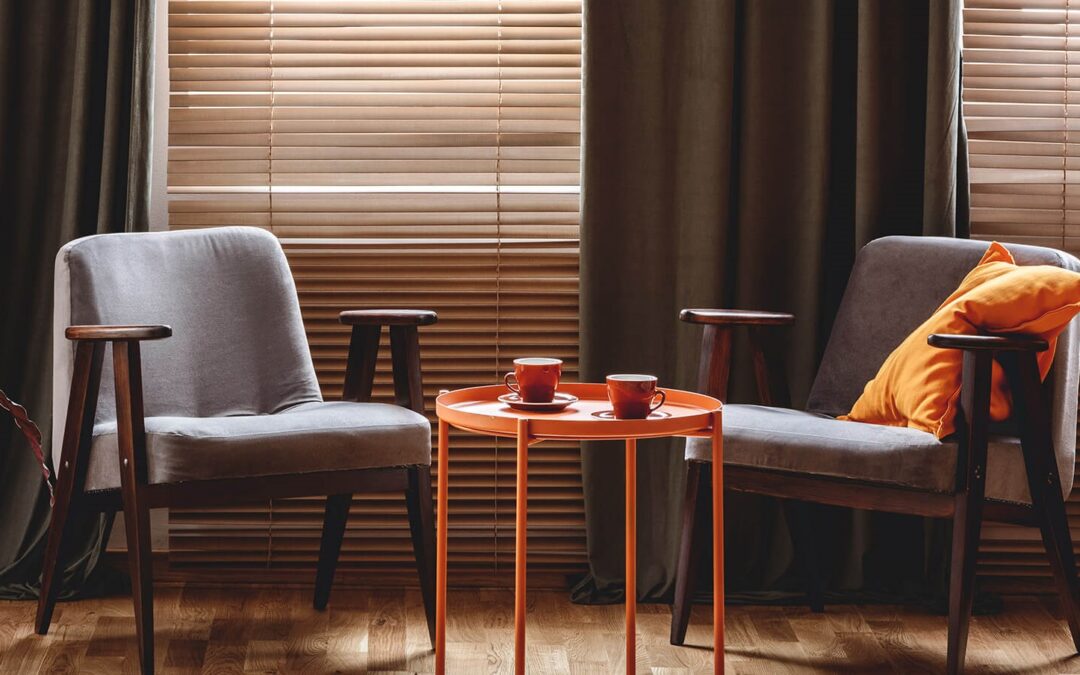
Trends cycle through the home décor world at pace — Roman blinds were enormous five years ago, sheer curtains had their moment, and plantation shutters continue to command premium interest. Yet venetian blinds have never really gone away, and for good reason. They occupy a rare sweet spot: genuinely affordable, highly functional, available in a wide material range, and suited to almost every room in the house.

The key reason venetians remain so relevant in Australian homes specifically is louvre control. Unlike a roller blind that’s simply open or closed, venetians let you split the difference — angle the slats to bounce light off ceilings, maintaining brightness while blocking direct eye-level glare. For Queensland and Victorian homes where summer sun angle is low in the afternoon and punishing on west-facing windows, that directional control is genuinely valuable. It’s not just aesthetics; it’s functional climate management built into the product design.

🪟

Aluminium Venetian Blinds

The durability and heat-management champion. Ideal for kitchens, high-traffic areas, and any room with direct UV exposure.

Shop Aluminium Venetians →
🌿

Timber Venetian Blinds

Warm, textural, and unmistakably premium. Perfect for living areas, studies, and bedrooms where you want natural character.

Shop Timber Venetians →
🚿

Bathroom Roller Blinds

Moisture-rated fabrics with close-fit channels for privacy and mould resistance. The right solution for steamy wet areas.

Shop Bathroom Roller Blinds →
🏠

Faux-Timber Venetians

All the visual warmth of timber with the moisture resistance of PVC. A smart compromise for laundries and humid rooms.

Shop Faux-Timber →

Pakenham’s Climate Challenge: What It Actually Means for Your Blinds

Pakenham sits on Melbourne’s outer south-eastern fringe, at the foot of the Dandenong Ranges and the edge of the Gippsland plains. That geographic position creates a specific microclimate that most blinds guides — focused on inner-city or coastal conditions — completely fail to address.

📍 Pakenham
📍 Berwick
📍 Officer
📍 Beaconsfield

Summer Heat Load

Pakenham regularly exceeds 38°C during Melbourne’s January–February heat runs — and being further from the bay than suburbs like Frankston or Mornington, it lacks the coastal sea-breeze moderation. North and west-facing windows in a brick veneer home (the dominant construction type throughout the area) can reach internal glass surface temperatures above 60°C on peak days. That thermal load accelerates the degradation of lower-quality blinds — warping PVC, fading dyed fabrics, and degrading adhesive tapes in timber venetians.

💡 Pro Tip — Heat Management

For north- and west-facing windows in Pakenham, specify aluminium venetian blinds with a Solar Reflective (SR) or Satin Pearl finish. These coatings reflect a meaningful proportion of incident solar radiation before it enters the room, reducing cooling load and protecting the slat material itself from UV degradation.

Bushfire Ember Risk

Pakenham sits in, or adjacent to, Bushfire Attack Level (BAL) rated zones under Victoria’s Planning for Bushfire guidelines. Blinds on ember-exposed sides of dwellings in BAL-rated zones should be non-combustible or flame-retardant where possible. Aluminium venetian blinds are the obvious winner here — they’re inherently non-combustible. Check with your local council or building surveyor if your property has a BAL designation before ordering.

Winter Cold & Draught Management

Pakenham winters are cooler and longer than inner Melbourne. Overnight temperatures regularly drop to 4–7°C, and the area sits outside the urban heat island effect that keeps inner-city suburbs like Kew or Richmond several degrees warmer at night. Window coverings play a tangible role in thermal retention. Venetian blinds alone won’t stop draught — they don’t form a sealed barrier — but closing them fully against the glass creates a still-air buffer that meaningfully reduces conductive heat loss. The Australian Window Association recommends layering: venetian blinds behind a full-length blockout curtain or dual roller blind system for maximum winter thermal performance in cooler outer suburbs like Pakenham.

Aluminium vs Timber vs Faux-Timber Venetians: An Honest Comparison

The material you choose shapes everything about your venetian blinds — how long they last, how they look, how much they cost, and how they perform in different rooms. Here’s the complete breakdown without the marketing spin.

Feature Aluminium Real Timber Faux-Timber (PVC)
Moisture Resistance ✓ Excellent ✗ Poor (warps) ✓ Excellent
Heat Resistance ✓ Excellent Moderate — avoid direct UV ✓ Good
Aesthetic Warmth Functional / modern ✓ Premium natural warmth Good — mimics timber
Weight Very light Heavier (especially wide windows) Medium
Price Point Most affordable Premium Mid-range
Best Rooms Kitchen, bathroom*, office, garage Living room, bedroom, study Laundry, bathroom*, kitchen
Lifespan (typical) 10–15+ years 8–15 years (with care) 10–15 years
Eco Credentials Recyclable aluminium FSC timber available PVC (not biodegradable)

* For wet-area bathrooms, roller blinds with a moisture-rated fabric are generally preferred over any venetian blind type — see the bathroom section below.

If you’re outfitting a new home in Pakenham or Officer and trying to balance budget with aesthetics, aluminium venetians throughout the kitchen, laundry, and spare rooms — with timber venetians reserved for the master bedroom and main living area — is the strategy most of our experienced customers land on. You get the warmth where it matters and the durability where you need it.

Drowell Blinds Installation Team, Melbourne South-East

Slat Sizes Explained: 25mm, 35mm & 50mm Venetian Blinds

One of the most common questions from first-time buyers — and one that most competitor guides skim over with vague generalisations — is slat width. Here’s what actually matters.

25mm Slats

The fine-line option. 25mm slats create a tight, refined stack and are best suited to smaller windows: bathroom windows, kitchen rangehood areas, narrow feature windows. When raised, the stack height is proportionally larger relative to the glass area because you have more individual slats. This can block quite a bit of the view when the blind is up — something worth considering for windows you want to enjoy the outlook through.

35mm Slats

The versatile workhorse. 35mm suits most standard residential windows from 600mm to 1800mm wide. It’s the most commonly specified size across Australian homes because it balances privacy, light control, stack height, and aesthetics without leaning too far in any direction. If in doubt, 35mm is almost always a safe choice.

50mm Slats

The bold, contemporary option. 50mm slats are increasingly specified in new builds and renovations — particularly open-plan living areas and large study-nook windows. They read as architecturally considered and create fewer, chunkier horizontal lines that suit modern interiors. The wider slats also stack up faster when raised, revealing more of the window. Cleaning is also easier — fewer slats to wipe down. For large windows in Pakenham new estates or Dandenong North homes, 50mm aluminium venetians with a white or pearl finish are a very popular specification.

📐 Stack Height Rule of Thumb

The raised stack of a venetian blind typically occupies 10–14% of the window height. For a 2100mm-high window with 25mm slats, expect a stack of around 250–300mm. With 50mm slats on the same window, the stack compresses to 150–200mm — meaning more usable glass area when the blind is up. Always request a stack height calculation from your supplier before ordering for floor-to-ceiling windows.

Bathroom Roller Blinds in Kew & Dandenong: What Actually Works

Bathrooms are the most technically demanding window covering environment in any home — high humidity, steam cycles, splashback proximity, and the need for both privacy and light. It’s also where the most mistakes are made when buying blinds.

Whether you’re renovating a period-style home in Kew or updating a newer townhouse in Dandenong, the principles are the same: you need a blind specifically engineered for wet-area conditions — not a standard roller blind repurposed for a bathroom.

Why Standard Roller Blinds Fail in Bathrooms

Standard fabric roller blinds — even quality ones — are not designed to cope with repeated steam exposure. Over time, the fabric absorbs moisture, the bonding agent between PVC coating and fabric substrate can delaminate, mould spores colonise the fabric folds, and the aluminium tube can oxidise or corrode if the end caps aren’t sealed. We’ve seen even mid-range blinds fail within 18 months in south-facing Dandenong bathrooms with poor ventilation.

What to Look For in a Bathroom Roller Blind

  • 100% PVC-coated polyester fabric: Water rolls off rather than being absorbed. The fabric should feel plasticky — that’s intentional and correct for this application.
  • Mould-inhibiting treatment: Look for fabrics with an anti-microbial agent bonded into the coating — not just a surface spray applied at manufacture.
  • Sealed side channels or cassette system: These close the gap between the blind and the window reveal, dramatically improving privacy and reducing light gap. Critical for ground-floor bathrooms in Dandenong townhouses or older Kew homes with larger window openings.
  • Corrosion-resistant components: Stainless or anodised aluminium brackets, marine-grade tube end caps, and rust-proof chain mechanism. Standard aluminium brackets will corrode in high-humidity environments within a few years.
  • Ease of removal for cleaning: A bathroom blind needs to be wiped down regularly. Twist-on bracket systems that allow quick removal are far superior to fixed-mount options for maintenance.
💡 Kew Heritage Homes — Special Consideration

Many Kew homes are Edwardian or inter-war period dwellings with bathroom windows featuring decorative leadlight surrounds or non-standard reveals. If your bathroom window sits in a plaster architrave (common in older Kew properties), measure your mounting depth carefully — some cassette-system roller blinds require 70mm or more of recess depth. Measure before ordering, or request an in-home consultation to avoid costly remakes.

Choosing the Right Opacity for Bathroom Roller Blinds

There are three main opacity levels relevant to bathroom roller blinds: blockout (zero light transmission), translucent (diffuses light, silhouettes visible), and light-filtering (allows soft light, good privacy during daylight). For most Australian bathrooms:

  • Street-facing or ground-floor bathrooms → blockout fabric in a close-channel system for maximum privacy
  • Upper-floor or courtyard-facing bathrooms → translucent or light-filtering fabric to maintain ambience while showering
  • Skylights or clerestory windows → translucent with UV protection rating — you want the daylight, not the UV exposure on skin

For bathroom roller blinds in Dandenong homes — where many properties are two-storey townhouses with second-floor bathrooms — translucent fabrics with a privacy coating (opaque from the outside during daylight) are increasingly the popular choice. They maintain the bright, open feeling of the bathroom while blocking the view in from neighbours.

For bathroom roller blinds in Kew — where heritage character homes often have smaller, higher-set bathroom windows — a blockout fabric in a neutral linen tone or white tends to complement the period aesthetic best while handling the privacy requirement cleanly.

Explore the full range of moisture-rated options at Drowell Blinds’ roller blinds collection — all available for measure and install across Melbourne’s inner east and south-east.

Buying Blinds in Dandenong: What Locals Actually Need to Know

Dandenong is one of Melbourne’s most diverse and fastest-growing urban centres — a mix of established period homes, high-density townhouse developments, newer apartment buildings, and light industrial-adjacent residential streets. This variety creates real variation in what blinds in Dandenong need to do.

New Townhouse & Apartment Developments

The wave of medium-density development around Dandenong Station and Noble Park North has created a specific requirement: blinds that fit non-standard window configurations. Multi-panel bifold windows, extra-tall glazed walls, and corner windows without centre posts are common in newer stock. Standard off-the-shelf blinds from hardware chains rarely fit these openings properly. Custom-made venetian blinds and custom-measured roller blinds are almost always the right answer — and given the cost difference between a hardware-store failure and a quality custom blind is often minimal on a per-window basis, this is consistently the better financial decision.

Established Brick Homes

Dandenong’s older residential streets — particularly those developed through the 1960s–1980s — feature double-brick or brick veneer construction with aluminium or timber-framed standard windows. These are generally easier to measure and fit. The key consideration here is thermal performance: these homes often lack the ceiling insulation and double glazing of newer builds, making quality window coverings more impactful on both summer cooling and winter heating bills.

For an honest overview of how window furnishings interact with home energy performance, CHOICE Australia’s guide to window furnishings and energy efficiency is one of the better independent resources available — worth a read before you commit to a product type.

📍 Serving Dandenong & Surrounds

Drowell Blinds supplies and installs venetian blinds, roller blinds, and a full range of window furnishings across Greater Dandenong — including Dandenong, Noble Park, Springvale, Keysborough, and Lyndhurst. In-home consultations available — no obligation, no pressure.

How to Measure Your Windows Accurately for Venetian Blinds

Poor measuring is the number one reason for blinds remakes — and unfortunately, it’s almost always the customer’s responsibility when ordering online without a measure service. Here’s the exact method our installers use.

  1. Decide on mount type first

    Inside mount (blind sits within the window recess) or outside mount (blind covers the wall face around the window). Inside mount gives a cleaner, more architectural look. Outside mount is better for light control and can make a small window appear larger.

  2. Use a steel tape measure — always

    Cloth or plastic tapes stretch under tension and give inaccurate readings. For blind measuring, you need a rigid steel tape. Measure in millimetres, not centimetres.

  3. Measure width at three heights

    For inside mount: measure the internal recess width at the top, middle, and bottom of the opening. Walls are rarely perfectly square — use the smallest measurement for your blind width. The factory will apply the necessary deduction (typically 5mm each side) for operating clearance.

  4. Measure drop from top to bottom

    For inside mount: from the top of the recess to the window sill. For outside mount: measure from where you want the headrail top to sit (typically 75–100mm above the frame) down to where you want the blind to finish (usually 50mm below the sill for full coverage).

  5. Check your recess depth

    For inside-mount venetian blinds, you need at least 45mm of recess depth for the headrail and operating mechanism. If your reveal is shallower (common in older aluminium-framed windows), you’ll need an outside mount or a slim-profile headrail product.

  6. Note any obstructions

    Winder handles, security latches, and tilt-and-turn hardware all affect how your blind sits and operates. Note their position and protrusion depth when measuring — a good supplier will advise on appropriate clearances.

🎯 Prefer Certainty? Book a Free Measure

For complex or large-volume installations — whole-house fitouts, non-standard windows, or heritage properties — a professional in-home measure eliminates guesswork entirely. Contact Drowell Blinds to arrange a free measure and quote across Pakenham, Dandenong, Kew, and all surrounding Melbourne suburbs.

DIY vs Professional Installation: Making the Right Call

Venetian blinds are among the more DIY-friendly window coverings — far simpler to install than plantation shutters, roman blinds, or motorised systems. Most aluminium venetians can be bracket-mounted with a standard drill and a spirit level in 20–30 minutes per window. But “can be” doesn’t mean “should be.”

When DIY Installation Makes Sense

  • Straightforward rectangular windows with clear, accessible walls
  • Standard inside or outside mount with adequate recess depth
  • You’re comfortable using a drill and working from a ladder
  • No heritage wall finishes, plaster mouldings, or render that could crack if misdrilled
  • You have the time to do it methodically — rushing is where mistakes happen

When to Use a Professional Installer

  • Large-format or floor-to-ceiling windows (the weight and alignment requirement is significantly higher)
  • Motorised or smart home–integrated blinds (incorrect wiring or mounting creates real problems)
  • Heritage properties with cornices, decorative plasterwork, or rendered brick where drilling requires extra care
  • Multi-window whole-home installations where consistency and alignment across rooms is important
  • Rental properties where you’re responsible for making good any installation damage

For reference, the Australian fair trading guidelines on minor renovation work are worth checking if you’re unsure about what’s considered licensed work in your state. Blind installation is generally unlicensed in Victoria, but electrical work (for motorised blinds) is always a licensed trade.

Energy Efficiency & UV Protection: The Numbers That Matter

Window coverings are a legitimate part of your home’s thermal envelope — and in an Australian climate where both summer cooling and winter heating costs are significant, choosing the right blind type and operating it correctly makes a measurable difference.

What the Research Shows

The Australian Window Association has quantified the energy impact of window coverings on residential buildings. Well-fitted blinds and curtains combined can reduce summer heat gain through windows by up to 33% (for blockout-backed fabrics on west-facing glass) and reduce winter heat loss by up to 20% compared to unshaded double-glazed windows. On single-glazed windows — still common in Pakenham homes built before 1995 — the relative impact is even larger.

Operating Your Venetian Blinds for Maximum Efficiency

This is the part most guides miss. It’s not just about what blind you have — it’s how you operate it:

  • Summer, north windows: Close blinds from mid-morning onwards, angled upward so reflected light bounces toward the ceiling rather than into the room’s mid-space.
  • Summer, east windows: Close before sunrise (or set automated to close overnight) and open fully once the sun has moved past that face — typically by 10:00am.
  • Summer, west windows: The hardest face. Keep blinds closed from midday onwards — fully closed, louvres angled downward, to prevent the harshest afternoon heat from entering. This is where reflective aluminium venetians earn their keep.
  • Winter, all windows: Open fully to maximise passive solar gain during daylight. Close fully — and close curtains over the top if you have them — as soon as the sun leaves each face, to trap the day’s accumulated warmth.

UV Protection — Protecting Your Interiors

Australian UV levels are among the highest in the world — a fact reflected in our skin cancer rates, but equally relevant to your furnishings. UV radiation fades timber floors, bleaches fabric upholstery, and degrades leather furniture over time. Venetian blinds provide meaningful UV protection when closed, with quality aluminium blinds blocking approximately 85–95% of UV radiation even with slats slightly angled. If UV protection is your primary concern (for a sun-facing room with valuable flooring or artwork), consider specifying a UV-blocking interlining behind your venetians, or investigate UV-filtering glazing with your window supplier.

Cleaning & Maintaining Your Venetian Blinds: A Room-by-Room Guide

Venetian blinds collect dust — that’s simply physics. Horizontal surfaces face upward and accumulate airborne particles, particularly in kitchens (grease particles) and households with pets or frequent opening of doors and windows. Regular maintenance is the key to extending their lifespan and keeping them looking sharp.

Aluminium Venetians — Regular Maintenance

Close the louvres flat (horizontal). Using a microfibre cloth — or a blind-specific duster with individual slat channels — wipe from the headrail end outward across each slat. Reverse the louvres and repeat on the other face. For a deeper clean every 6–12 months: remove the blind, lay it flat in the bathtub with warm water and a small amount of mild detergent, agitate gently, rinse thoroughly, and hang vertically to drain and dry completely before reinstalling. Never reinstall a blind that’s still damp — moisture trapped in the headrail mechanism causes corrosion.

Timber Venetians — Handle with Care

Timber venetians require a dry or very lightly damp approach only. Never submerge timber slats in water — they will swell, warp, and lose their surface finish. Use a dry microfibre cloth for regular dusting, and a cloth barely dampened with clean water for spot cleaning. Avoid spray cleaners directly on timber slats — spray onto the cloth first. In dry inland climates (and Pakenham can get quite dry in summer), a very light application of furniture polish once per year keeps the timber from drying out and cracking along the grain.

Bathroom Roller Blinds — Wipe-Down Routine

For moisture-rated PVC bathroom roller blinds — the kind recommended for bathroom roller blinds in Kew or Dandenong homes — maintenance is straightforward: lower the blind fully, wipe with a damp cloth and mild all-purpose cleaner, and leave to air dry before rolling back up. Never roll a PVC blind up wet — moisture trapped in the roll creates the mould conditions you’re trying to prevent. Leave the blind down until it’s fully dry — 30–45 minutes in a ventilated bathroom is usually sufficient.

Frequently Asked Questions About Venetian Blinds & Bathroom Roller Blinds

What are the best venetian blinds for Pakenham’s hot summers?
For Pakenham’s harsh summer heat, 50mm aluminium venetian blinds with a light-reflective finish (pearl, white, or solar reflective coating) are the top performers. They deflect radiant heat while giving you precise louvre control to manage light angle. Timber venetians are better suited to living areas where aesthetics matter most, but aluminium wins on pure heat management for north- and west-facing rooms where temperatures are most aggressive in summer.
Are roller blinds suitable for bathrooms in Melbourne?
Yes — provided you select a PVC-coated or moisture-resistant fabric specifically rated for wet areas. Standard fabric roller blinds will warp, mould, and discolour in a steamy bathroom environment within 12–24 months. Purpose-built bathroom roller blinds — like those available through Drowell Blinds — use water-resistant PVC-coated polyester that wipes clean and resists mildew, paired with a close-channel or cassette system that improves privacy. This applies equally whether you’re looking for bathroom roller blinds in Kew, bathroom roller blinds in Dandenong, or any Melbourne suburb.
How do I measure venetian blinds correctly?
For an inside mount (recess fit): measure the exact internal width at three points (top, middle, bottom) and use the narrowest measurement. Measure the drop from the top of the recess to the window sill. For an outside mount: add at least 50mm to each side of the window width and position the headrail bracket 75–100mm above the frame top. Always use a steel tape measure, never cloth. Measure in millimetres for precision. When in doubt, book a free in-home measure through Drowell Blinds — it eliminates all guesswork.
What’s the difference between 25mm, 35mm, and 50mm slat venetian blinds?
Slat width affects both aesthetics and functionality. 25mm slats suit smaller windows and deliver a fine, refined look but produce a larger stack height relative to window size. 35mm is the versatile mid-option that works across most standard residential windows — it’s the most popular choice for a reason. 50mm slats create a bold, contemporary statement, stack smaller relative to window size (revealing more glass when open), and are easier to clean — making them excellent for large windows, open-plan living areas, and modern home designs.
Do venetian blinds provide enough privacy at night?
When fully closed with louvres angled correctly, quality venetian blinds provide solid privacy. However, some light seeps around the headrail, bottom rail, and side edges — particularly obvious at night when interior lighting is bright and exterior is dark. For ground-floor bedrooms or street-facing rooms where complete night-time privacy is critical, consider pairing venetian blinds with a sheer roller blind as a double-layer system, or opt for a blockout roller blind as the primary covering. Drowell Blinds offers dual-blind systems for exactly this requirement.
How do I clean venetian blinds properly?
For aluminium or PVC venetians: close the louvres flat, wipe each slat with a damp microfibre cloth from one end to the other, then reverse the louvres and repeat. For a deep clean, remove the blind and lay flat in a bathtub with warm water and mild detergent, rinse thoroughly, and hang to dry completely before reinstalling. For timber venetians: use a dry cloth only — never soak the slats. A dry microfibre duster or barely-damp cloth is the maximum moisture you should apply to real timber slats.
What blinds are best for reducing energy bills in Melbourne?
Honeycomb (cellular) blinds are the gold standard for insulation, trapping air in their cell structure to create a thermal barrier. For venetian-style solutions, 50mm aluminium venetians with a reflective pearl or white finish perform well against summer heat gain. In winter, closing all blinds as soon as the sun leaves each window face — and layering with curtains on south- and west-facing windows — meaningfully reduces heat loss through the glass. The Australian Window Association confirms well-fitted window coverings can reduce household heating and cooling costs by up to 20% compared to uncovered single-glazed windows.
Can I get venetian blinds custom-made for non-standard window sizes in Pakenham?
Absolutely — and this is standard practice, not an exception. Drowell Blinds manufactures to exact millimetre specifications for any window size. Non-standard openings including unusual widths, very narrow windows, corner windows, and shaped reveals can all be accommodated. The key is getting the measuring right before ordering. For complex configurations, an in-home measure is always recommended.
How long do venetian blinds last in an Australian home?
Quality aluminium venetian blinds, properly maintained and not exposed to excessive moisture, routinely last 12–15 years and often longer. Timber venetians typically last 8–15 years depending on UV exposure and care. Faux-timber PVC venetians fall in the 10–15 year range. The biggest lifespan killers are: wrong material for the environment (real timber in a humid kitchen), failure to clean regularly (dust and grease accumulation accelerates cord degradation), and cheap cord and headrail components from low-quality suppliers. Investing in quality upfront is consistently the better long-term financial decision.
Are venetian blinds child-safe?
This is critically important. The Australian Competition and Consumer Commission (ACCC) has strict mandatory safety standards for corded window coverings following fatalities involving children entangled in loose cords. In Australia, all new corded blinds must comply with AS/NZS 2080:2006 and the mandatory safety standard for corded internal window coverings. When purchasing venetian blinds for any room accessible to children under 10 years, specify a cordless lift mechanism (wand-tilt only) or motorised operation. Drowell Blinds offers child-safe cordless options across the full venetian blind range — always ask specifically if you have young children in the home.
Ready to Transform Your Windows?

Get Expert Advice & a Free Quote — Pakenham, Dandenong, Kew & All Melbourne Suburbs

Drowell Blinds supplies and installs premium venetian blinds, bathroom roller blinds, and the full range of window furnishings across Melbourne’s south-east and inner suburbs. Custom-made to measure. Professional installation available. No-obligation consultation.

Drowell Blinds Expert Team — Melbourne

With over a decade of experience supplying and installing custom window furnishings across Melbourne’s south-east and inner suburbs, the Drowell Blinds team specialises in venetian blinds, roller blinds, and complete window covering solutions for Australian homes and businesses. All content reviewed for accuracy against current Australian product standards and building guidelines.

Bathroom Roller Blinds Kew & Beyond: The Real Buyer’s Guide Australian Homeowners Need

Bathroom Roller Blinds Kew & Beyond: The Real Buyer’s Guide Australian Homeowners Need

Bathroom Roller Blinds Kew: Your Complete 2026 Guide | Drowell Blinds

What’s the best blind for a bathroom window — roller, venetian, or something else? How do you stop mould taking hold in Melbourne’s muggy summers? And does it matter whether you’re in Kew, Dandenong, or Pakenham when it comes to choosing the right material? These are the questions we hear every week at Drowell Blinds, and this guide answers all of them — without the fluff.

Bathroom window treatments are genuinely different from every other room in your home. The combination of steam, condensation, direct water splash, cleaning chemicals, and fluctuating temperatures means the blind you choose can either last 15 years or start falling apart in 18 months. If you’re researching bathroom roller blinds in Kew, investigating blinds in Dandenong, or weighing up venetian blinds in Pakenham, this is the complete, no-nonsense resource you’ve been looking for.

We’ve been supplying and installing window furnishings across Melbourne’s south-east for over 20 years, which means we’ve seen every mistake a homeowner can make — and a few the internet hasn’t warned you about yet. Let’s start with what actually matters.

20+
Years serving Melbourne
5yr
Product warranty
100%
Australian owned & operated
Free
Measure & quote

Why Your Bathroom Demands a Specialist Blind (And What Goes Wrong When You Ignore This)

Most homeowners walk into a bathroom renovation and select blinds the same way they would for a lounge room — by looks alone. It’s an understandable mistake, but an expensive one. A standard fabric roller blind that performs beautifully in a bedroom will begin to develop mould within months in a bathroom environment, particularly in Melbourne’s humidity-prone suburbs.

Here’s what’s happening scientifically: every time someone takes a hot shower, the room fills with steam. That steam condenses onto the coolest surfaces available — including your window blind. If your blind is made from a porous material (cotton, standard polyester, real timber), it absorbs that moisture. Over time, this creates a cycle of damp and dry conditions that is the perfect breeding ground for mould and mildew. Colour fades, fabric warps, mechanisms seize up — and you’re back to square one.

The single most important rule for bathroom blinds: the material must be non-porous, or treated with a certified water-repellent coating. Everything else — style, colour, mechanism — comes second.

The specific climate in Kew and inner Melbourne’s east adds another layer of complexity. Kew experiences genuine temperature swings across the seasons: summer humidity, winter condensation on cold windows, and everything in between. Homes in Kew’s older residential streets often feature heritage-style bathroom windows — recessed into thick brick walls, non-standard in size, and sometimes angled in ways that make off-the-shelf blinds a poor fit. This is precisely why custom, made-to-measure solutions are so popular in the area.

Meanwhile, in Dandenong and Pakenham — growth corridors with a mix of established homes and new builds — the challenge is different. Newer bathrooms tend to have larger windows for natural light, which means light control becomes just as important as moisture resistance.

The Complete Material Guide: What Actually Works in a Bathroom

Not all moisture-resistant blinds are created equal. Here’s a frank breakdown of the main material categories, what they’re genuinely good for, and where they fall short.

PVC Roller Blinds

PVC is the gold standard for truly waterproof bathroom blinds. The material is non-porous all the way through — you could submerge a PVC roller blind in water and it would be completely fine when you pulled it out. There are no holes, seams, or fabric weave for mould to colonise. Cleaning is as simple as wiping it down with a damp cloth. For en-suites and main bathrooms with showers, particularly in older Kew homes where ventilation is limited, a PVC roller blind is often the most sensible long-term investment.

The trade-off is aesthetic flexibility. PVC tends to have a more utilitarian appearance than fabric options, though quality ranges vary — premium PVC can look genuinely sleek and contemporary.

Moisture-Resistant Treated Polyester

Vinyl-coated polyester and treated polyester fabrics represent the middle ground between pure PVC and standard fabric. These materials are treated with water-repellent finishes — sometimes nano-coatings — that cause water to bead and roll off rather than soak in. They offer far greater design variety than PVC: more colours, textures, and light-filtering options.

The important caveat: water-repellent is not waterproof. Over years of daily steam exposure, coatings can degrade. For powder rooms or guest bathrooms that see lighter use, treated polyester is an excellent choice. For main bathrooms and en-suites with daily showers, consider PVC or aluminium alternatives.

Aluminium Venetian Blinds

This is where bathroom roller blinds and venetian options truly diverge. Aluminium venetian blinds are moisture-resistant, rust-proof (provided the mechanism uses quality stainless or coated components), and completely mould-proof. They don’t absorb water at all. The adjustable slat design gives you precise light control — useful in bathrooms where you want natural light without sacrificing privacy. They’re particularly popular for bathrooms in Dandenong and Pakenham new builds where the contemporary aesthetic suits the interior design direction.

The maintenance note: aluminium venetian slats require individual cleaning, which takes longer than wiping down a single roller surface. Dust accumulates in the slats, and in a bathroom environment, that dust can become damp and sticky if ventilation is poor.

PVC Venetian Blinds (Faux Timber)

PVC venetians — often sold as “faux timber” or “wood look” — give you the warm aesthetic of timber Venetian blinds without any of the moisture vulnerability. Real timber warps, swells, and eventually cracks when exposed to bathroom humidity. PVC venetians look virtually identical at normal viewing distances, last significantly longer in wet environments, and are available across a wide range of colours and slat widths. For Kew homes with period-style bathrooms where the owner wants a warm, classic look, PVC venetians offer the best of both worlds.

⚡ Pro Tip from Our Installers When fitting any venetian blind in a bathroom — aluminium or PVC — always specify stainless steel chains and brackets, not chrome-plated ones. Chrome-plated components will corrode in bathroom humidity within a few years, no matter how well-made the slats themselves are.

At a Glance: Bathroom Blind Materials Compared

Material Waterproof Rating Mould Resistance Design Range Maintenance Best For
PVC Roller Blind Best Fully waterproof Excellent Limited Very easy — wipe clean Main bathrooms, en-suites
Treated Polyester Roller Good Water-resistant Good Extensive Easy Powder rooms, guest baths
Aluminium Venetian Good Moisture-resistant Excellent Moderate Moderate — slat cleaning Contemporary new builds
PVC / Faux Timber Venetian Moisture-resistant Excellent Good Moderate — slat cleaning Heritage & classic interiors
Real Timber Venetian Not recommended Poor Excellent Difficult Dry areas only
Standard Fabric Roller Not recommended Poor Extensive Difficult Dry areas only

Custom-Made vs. Ready-Made: Which Is Right for Your Bathroom in Kew, Dandenong, or Pakenham?

This debate comes up constantly, and the honest answer is that it depends almost entirely on your windows. Let’s cut through it.

When Ready-Made Works Fine

If your bathroom has standard-sized windows — the kinds you’d find in most post-2000 Melbourne builds — ready-made roller blinds from a hardware chain can be a functional, affordable option. You’ll get a decent moisture-resistant fabric, a simple chain mechanism, and a look that works for most neutral bathrooms. Installation is DIY-friendly, and you can have your bathroom covered within a day of purchase.

The limitation is precision. Ready-made blinds come in fixed size increments. In a bathroom, where an imprecise fit means light gaps at the sides and privacy issues, that gap between “close enough” and “perfect” really matters.

When Custom Is Worth Every Dollar

For Kew homeowners in particular, custom is almost always the right call. Many properties in Kew feature original Edwardian or Victorian-era windows — non-standard dimensions, often quite tall and narrow, sometimes arched at the top, and sometimes recessed deeply into masonry walls where standard brackets won’t sit flush. Off-the-shelf blinds will leave gaps, look unfinished, or simply won’t fit at all.

Custom bathroom roller blinds in Kew provide a precise fit measured to the millimetre. You also get full control over fabric choice, chain colour, cassette style, and whether you want the blind to sit inside the recess or face-mount on the architrave. For bathroom roller blinds in Dandenong‘s newer homes with larger format windows, custom sizing means you can use a single wide blind rather than joining two together — a look that’s infinitely more polished.

Our recommendation: If in doubt, measure. If your window doesn’t match a standard size precisely, invest in custom. The cost difference between ready-made and custom is often far smaller than people expect — particularly when you factor in the time and frustration of returns, workarounds, or a bad result that you’ll look at every day for years.

Light Control & Privacy: Getting the Balance Right in the Bathroom

Privacy is the non-negotiable in a bathroom. But privacy doesn’t have to mean a dark, cave-like space. Modern fabric technology has created genuinely clever solutions that most homeowners don’t know about.

Translucent vs. Blockout Roller Blinds

Translucent roller blinds allow diffused natural light to filter through while making it impossible for anyone outside to see the person inside — provided the fabric is correctly specified. Many homeowners assume translucent means visible, but the reality is that quality translucent fabrics scatter light and eliminate direct sight lines, delivering excellent privacy while keeping the bathroom bright and pleasant. For bathroom windows that face a courtyard or a neighbouring property, a quality translucent roller in a PVC or treated polyester fabric is often the ideal solution.

Blockout roller blinds, by contrast, eliminate light almost entirely when closed. These are most useful in bathrooms used at night as well as during the day, or where a window faces directly into a brightly lit outdoor area that creates a “one-way mirror” effect after dark when interior lights are on.

Venetian Blinds and Precise Light Direction

One area where venetian blinds genuinely outperform roller options is directional light control. The adjustable slats of an aluminium or PVC venetian allow you to angle incoming light upward — bouncing it off the ceiling for diffused illumination — while maintaining complete privacy from outside viewing angles. This is particularly useful for bathrooms on ground-floor level in Pakenham or Dandenong properties where the window is at eye level from the street or a neighbour’s property.

Double Roller Blinds: The Best-of-Both Solution

Melbourne’s blind market has seen a surge in double roller blind installations over the past two years, and bathrooms are increasingly part of this trend. A double roller system pairs a translucent screen fabric with a blockout panel behind it, both on separate mechanisms in a single cassette. During the day, the screen provides diffused light and privacy. At night, the blockout rolls down for complete coverage. It’s a genuinely elegant solution for bathrooms in Kew’s well-lit street-facing positions.

Venetian Blinds in Pakenham: Why This Classic Style Is Experiencing a Revival

Pakenham has undergone substantial residential development over the past decade, and with that growth has come a renewed interest in venetian blinds — not as a budget fallback, but as a deliberate design choice. Here’s why.

Contemporary Pakenham homes tend to feature large, light-filled bathrooms with generous window areas. In these spaces, the structured geometry of a venetian blind’s horizontal slats creates a clean, architectural line that complements modern cabinetry and large-format tiles beautifully. Aluminium venetians in particular — available in over 100 powder-coated colours from quality Australian suppliers — can be perfectly colour-matched to tapware, cabinetry hardware, or window frames.

The practical benefits align well with Pakenham’s climate too. The outer south-east of Melbourne experiences genuine summer heat, and venetian slats can be angled to redirect harsh afternoon sun away from the bathroom while keeping the space bright and ventilated. In winter, closing the slats creates an additional layer of insulation against cold glass — a small but meaningful contribution to energy efficiency in a room you’re heating with hot showers every day.

For venetian blinds in Pakenham, the most popular specifications we’re currently fitting include 50mm aluminium slats in matte white or warm grey tones, with stainless steel operating chains for longevity. PVC wood-look venetians in natural timber tones are the second most popular choice, particularly in bathrooms where the rest of the home features timber flooring or Hamptons-style cabinetry.

  • 50mm aluminium slats — the most popular size for bathroom windows, fits standard recesses cleanly
  • 25mm slimline aluminium — ideal for narrow bathroom windows or where a more minimalist look is desired
  • PVC wood-look in natural timber tones — pairs well with warm interior palettes
  • Motorised venetian options — increasingly popular for high windows or accessibility requirements

Blinds in Dandenong: Navigating a Diverse Housing Market

Dandenong is one of Melbourne’s most diverse and fast-evolving suburbs, with a housing stock that ranges from post-war brick veneers to modern apartment developments. This diversity means there’s no single “best” blind for Dandenong bathrooms — but there are clear patterns in what works well.

For the older brick-veneer properties that make up much of Dandenong’s residential housing, bathroom windows are often small and high-set — positioned for privacy and ventilation rather than light. In these bathrooms, a simple PVC roller blind in a light neutral tone (white, ivory, or soft grey) does the job efficiently and cost-effectively. The window isn’t a design feature; it’s functional. A clean, moisture-proof blind that’s easy to maintain is exactly what’s needed.

In Dandenong’s newer apartment complexes and townhouse developments — particularly those closer to the activity centres — the story is different. Larger glazed areas, floor-to-ceiling windows in combined bathroom/laundry spaces, and higher-end finishes mean that the blind is now very much part of the bathroom’s aesthetic. This is where we see the strongest demand for custom-fitted bathroom roller blinds in Dandenong with cassette finishes, coordinated chain colours, and designer fabric choices.

Commercial premises in Dandenong — offices, medical practices, retail spaces with bathroom facilities — tend to specify aluminium venetians for the combination of durability, ease of cleaning, and professional appearance. If you’re fitting out a commercial bathroom in the Dandenong area, aluminium venetians in a 50mm slat with a wand-tilt mechanism are the industry standard for good reason.

Drowell Blinds services the entire Dandenong region — from Dandenong South industrial to Dandenong North residential. Our team is based locally and carries stock of the most popular blind specifications for the area. Contact us for a free, no-obligation measure and quote.

Installation: What to Expect and How to Avoid the Most Common Mistakes

Even the best bathroom blind can underperform if it’s incorrectly installed. Here’s what a professional installation should cover — and what to watch for if you’re considering DIY.

Measuring for Bathroom Roller Blinds

The most important measurement in a bathroom is the recess depth. If you’re fitting a blind inside the window recess (which provides the cleanest look and best light control), you need at minimum 70–80mm of depth for the cassette housing. Many older Kew and Dandenong bathroom windows have deep masonry recesses that accommodate this easily. However, some aluminium-framed windows in newer builds have very shallow reveals, requiring a face-mount installation instead.

For roller blinds, measure the width at the top, middle, and bottom of the recess — in older homes, walls aren’t always perfectly square, and using the widest measurement rather than accounting for this discrepancy is a common error that results in a blind that won’t retract properly.

Bracket Placement in Wet Conditions

Standard steel screws and plugs corrode in bathroom humidity. Specify stainless steel fixings wherever possible, and ensure wall plugs are rated for the substrate (masonry, timber stud, or plasterboard — each requires a different anchor type). An improperly fixed blind in a bathroom is a safety hazard as well as an aesthetic problem.

Child Safety Compliance

All window blind installations in Australia must comply with the mandatory safety standard AS/NZS 1873, which requires corded blinds to incorporate child safety devices — either cleats at height, safety tensioners, or breakaway connectors — to prevent strangulation risk. At Drowell Blinds, every installation includes compliant child safety fittings as standard. If you’re purchasing blinds elsewhere and installing them yourself, ensure you understand and comply with these requirements. The ACCC product safety portal provides up-to-date recall information and compliance guidance.

  • Measure width at three points — use the narrowest measurement for inside mount
  • Check recess depth allows for cassette housing (min. 70–80mm)
  • Specify stainless steel chains and fixings in wet areas
  • Ensure child safety compliance per AS/NZS 1873
  • Confirm ventilation is adequate before closing a blind immediately after shower use
  • Leave a 10–15mm clearance below the sill for moisture to escape in high-steam environments

Caring for Your Bathroom Blinds: Making Them Last

With the right material and proper care, quality bathroom blinds should last 10–15 years without significant degradation. Here’s what actually makes the difference.

After Every Shower

The single most impactful habit is ventilation. Even a fully waterproof PVC roller blind benefits from the bathroom being properly ventilated after shower use — either via an exhaust fan or an open window. A blind that dries between uses will outlast one that stays damp indefinitely. If your bathroom lacks adequate ventilation, address that before investing in new blinds.

Regular Cleaning

For PVC roller blinds: a monthly wipe-down with a damp microfibre cloth and mild detergent is sufficient. Don’t use abrasive scrubbers, which can scratch the surface and degrade water resistance over time. For venetian blinds — aluminium or PVC — dust each slat with a dry microfibre cloth weekly, and do a full damp-wipe clean monthly. Pay particular attention to the tilt mechanism housing, where dust and soap residue accumulate.

When to Replace

Signs that a bathroom blind needs replacing rather than cleaning: persistent mould that returns within weeks of treatment (the material is compromised), visible warping or brittleness in PVC, slat bending in venetians that won’t straighten, or a mechanism that no longer holds position. On average, a well-chosen, properly maintained bathroom blind in the Melbourne climate should give you a decade of reliable service before replacement becomes necessary.

2026 Styling Directions: What Looks Great in Australian Bathrooms Right Now

Functionality is the foundation, but let’s talk about what’s actually looking great in Melbourne bathrooms in 2026.

Neutral tones dominate — but they’ve moved on from stark white. The current preference across Kew’s renovated heritage properties and Pakenham’s contemporary builds alike is for warm whites, soft putty tones, and greige (a grey-beige hybrid) that sits harmoniously with the terracotta and natural stone tile trends that are currently reshaping Melbourne bathroom interiors. A PVC roller blind in a warm ivory or linen tone reads as deliberately chosen rather than default.

Texture is having a moment. While smooth, matte finishes remain the go-to for most, we’re seeing strong interest in lightly textured weave effects on moisture-resistant fabrics — they give a bathroom an elevated, considered look without veering into heavy pattern territory that dates quickly.

On the venetian front, charcoal aluminium slats have emerged as a strong design choice for bathrooms with black tapware — a combination that looks genuinely sophisticated and is proving very popular in Dandenong’s newer townhouse developments. White aluminium venetians, meanwhile, remain perennially strong in heritage bathrooms where the clean line of the slat echoes heritage tile work.

Motorisation is no longer a premium novelty. Smart home integration has reached the point where motorised roller blinds controlled via a wall switch or voice assistant are a practical consideration for bathrooms — particularly for high-set windows, accessibility needs, or homeowners who simply want a seamless, cord-free finish.

Frequently Asked Questions

These are the questions our team gets asked most often by Melbourne homeowners researching bathroom blinds.

What is the best blind for a bathroom in Melbourne?

For main bathrooms and en-suites with daily shower use, a PVC roller blind is the most durable, lowest-maintenance option. It’s fully waterproof, mould-proof, and easy to clean. For powder rooms with lower moisture exposure, a moisture-treated polyester roller blind gives you more fabric and colour options while still performing well. Aluminium or PVC venetian blinds are also excellent choices if you want precise light control via adjustable slats.

Are roller blinds or venetian blinds better for bathrooms?

Both work well provided you choose the right material. Roller blinds (PVC or moisture-treated polyester) offer easier cleaning — one wipe across a flat surface versus cleaning individual slats on a venetian. Venetian blinds (aluminium or PVC) offer superior directional light control via adjustable slats and are also fully mould-resistant. The choice often comes down to aesthetic preference and your bathroom’s light control needs.

Do bathroom roller blinds get mouldy?

Standard fabric roller blinds absolutely can develop mould in bathroom environments. PVC roller blinds, however, will not develop mould — the material provides no nutrients for mould spores and doesn’t absorb moisture. Moisture-treated polyester fabrics are mould-resistant but not mould-proof; adequate ventilation and regular cleaning keep them in good condition. The key is choosing the right material from the outset, not hoping a standard blind will cope.

Can I use real timber venetian blinds in a bathroom?

We strongly advise against it. Real timber absorbs moisture, which causes swelling, warping, paint cracking, and ultimately structural failure of the slats over time. The warm aesthetic of timber venetians is understandably appealing — and the good news is that PVC “faux timber” venetians replicate the look almost indistinguishably while performing perfectly in wet environments. For bathrooms, always choose PVC over real timber venetian blinds.

How much do custom bathroom roller blinds cost in Melbourne?

Pricing varies based on size, fabric specification, mechanism type, and whether a cassette and side channels are included. As a general guide, custom-made bathroom roller blinds for a standard bathroom window start from approximately $150–$250 supply and install, with premium specifications and larger windows priced accordingly. Venetian blinds can be more affordable per window. Drowell Blinds provides free, no-obligation measure and quote appointments — contact us for a specific price for your windows.

How do I clean bathroom roller blinds?

For PVC roller blinds: fully extend the blind, wipe down with a damp microfibre cloth using a small amount of mild detergent, rinse with a clean damp cloth, and allow to fully dry before retracting. Never retract a wet PVC blind onto itself, as this can cause sticking. For treated polyester roller blinds, follow the manufacturer’s care instructions — most can be spot-cleaned or sponge-washed while still in position. Avoid high-heat drying or harsh chemical cleaners on any fabric blind.

Do Drowell Blinds supply and install in Kew, Dandenong, and Pakenham?

Yes. Drowell Blinds services Melbourne’s south-east extensively, including Kew, Dandenong, Dandenong South, Pakenham, and surrounding suburbs. We carry stock of our most popular specifications and offer a free in-home measure and quote service. Call us on 1300 883 202 or contact us online to schedule a consultation.

What’s the difference between blockout and translucent roller blinds for bathrooms?

Translucent roller blinds allow diffused natural light to filter through while preventing clear sight lines into the bathroom — you see shapes and light, not detail. They’re ideal for bathrooms that need good natural light without sacrificing privacy. Blockout roller blinds block virtually all light when fully closed, creating complete darkness and privacy. For most bathrooms, translucent is the preferred choice during the day; blockout suits bathrooms used in the evenings or those on ground floor with direct exposure to exterior lighting at night. Double roller systems combine both in one unit.

Are venetian blinds hard to maintain in a bathroom?

More effort than a roller blind, but not dramatically so. Each slat needs to be dusted individually — a venetian duster (or old sock pulled over the hand) makes quick work of it. For a thorough monthly clean, damp-wipe each slat with a mild detergent solution. The mechanism housing can accumulate soap residue in bathrooms; a periodic spray with a bathroom cleaner and wipe-down keeps things running smoothly. Aluminium and PVC slats will not rust, warp, or discolour with proper care.

About Drowell Blinds. Australian-owned and operated for over 20 years, Drowell Blinds supplies and installs custom blinds across Melbourne’s south-east — including Kew, Dandenong, and Pakenham. All products carry a 5-year warranty. We offer free in-home measure and quote appointments, with no pressure and no obligation.

Ready to Sort Your Bathroom Blinds?

Get a free measure and quote from Melbourne’s trusted local specialists. We’ll visit your home, measure every window precisely, and present you with the right options for your bathroom — no pressure, no upselling.

Call us: 1300 883 202  |  03 9792 5044

Outdoor Roller Blinds Dandenong – Redefine Your Space

Outdoor Roller Blinds Dandenong – Redefine Your Space

Outdoor areas deserve true comfort and this can be achieved with the right shade. That’s where Drowell Blinds steps in with outdoor roller blinds Dandenong — bringing harmony, elegance, and smart living to your outdoor lifestyle. These blinds aren’t just fabric on a frame — they’re a statement. They redefine how Dandenong homes connect with light, weather, and mood.

Designs That Live Between Indoors and Outdoors

Outdoor living in Dandenong is evolving. Balconies aren’t just extensions of the home — they’re reflections of your taste. At Drowell Blinds, we believe outdoor blinds Melbourne should do more than block sunlight — they should frame experiences. You can host Sunday brunch or create a quiet nook in your outdoor space. With outdoor roller blinds, you can shape these moments beautifully. We start every project by asking:

  • Do you imagine a cosy courtyard retreat surrounded by soft shade?
  • Or a vibrant alfresco area that transitions from daylight to evening glow effortlessly?
  • Are you drawn to earthy textures or bold, modern finishes?

Your answers shape your design. Because at Drowell Blinds, every blind begins as a conversation before it becomes a creation.

Dandenong Outdoor Living Reimagined

There’s something uniquely Dandenong about outdoor living — the mix of leafy streets, family barbecues, and garden gatherings that never feel rushed. But the weather can be unpredictable. That’s where best outdoor roller blinds Dandenong become a lifestyle essential — giving you control without compromise. They reduce glare while preserving your view. Enjoy the right level of privacy while enclosing your space. It enables you to protect outdoor furniture from harsh weather. Your patio, balcony, or deck doesn’t just look better — it feels better.

The Drowell Difference: Where Design Meets Detail

Not all blinds are created equal. At Drowell Blinds, we combine precision craftsmanship with aesthetic intuition. Every detail — from fabric texture to mounting finish — is selected with purpose. We’re passionate about creating shade solutions that suit Dandenong’s character — modern homes, heritage builds, and new developments alike.

Here’s what makes us stand out:

  • Tailor-made blinds for a perfect fit and flow.
  • Weather-tested materials that thrive in Melbourne’s unpredictable climate.
  • Motorised technology for comfort at your fingertips.
  • Minimalist design lines that complement any architecture.

Every blinds feels intentional — because it is the best window covering that your property deserves.

Change the Way You Use Your Space

Outdoor blinds transform how you use your home. What used to be a summer-only area becomes a year-round zone of calm and connection.

Imagine:

  • A shaded breakfast deck in January.
  • A wind-protected lounge in June.
  • A softly filtered sunset view in November.

Your cheap roller blinds Dandenong turn unpredictable weather into a design opportunity.

The Psychology of Outdoor Design

Outdoor spaces are deeply emotional. The right shade doesn’t just protect you — it creates a rhythm. When sunlight diffuses softly through textured fabric, your brain naturally relaxes. That’s why wooden outdoor roller blinds Dandenong aren’t just physical barriers; they’re emotional enablers. They allow you to linger longer, think clearly, and breathe more deeply. It’s not just design — it’s psychology in motion.

Motorised Blinds – Luxury at the Touch of a Button

Technology and tranquillity now go hand in hand. Drowell Blinds offer motorised outdoor and indoor roller blinds Pakenham that bring seamless control to your fingertips — whether through a remote, wall switch, or your phone.

Why Dandenong homeowners love motorised blinds:

  • Operate multiple blinds in sync.
  • Program automatic settings based on sunlight.
  • Enjoy silent motors and sleek design integration.
  • No messy cords or manual effort.

It’s elegance powered by innovation — because luxury should never require strain.

Textures That Tell Stories

Outdoor roller blinds are as much about feel as they are about function. The choice of fabric texture sets the entire mood of your space. At Drowell Blinds, we curate a range of materials that whisper sophistication—woven mesh for airy transparency and blockout textiles for complete privacy and protection. Choose soft greys and sand tones that are inspired by Dandenong’s natural landscape—the textures of the blinds that you choose tell your unique story and reflect your individuality.

Outdoor Roller Blinds as Architectural Accents

Outdoor blinds can elevate the architecture of your home. When designed right, they blend with your façade, not against it. Our outdoor roller blinds become a seamless extension of your structure. As the aesthetic feature of your home, these blinds are subtle, elegant, and perfectly proportioned.

Outdoor Roller Blinds for Every Corner of Your Home

Whether it’s a compact balcony or a wide backyard, Drowell Blinds designs shade that fits your environment.

Some popular applications include:

  • Balconies – for privacy and wind protection.
  • Pergolas and courtyards – for all-weather use.
  • Outdoor kitchens – to keep heat and glare away from cooking zones.
  • Patios and decks – for outdoor enjoyment.

Every outdoor roller blind installation is custom-measured and locally crafted — ensuring your blinds performs perfectly and looks even better.

Small Spaces, Big Ambience

You don’t need a sprawling outdoor area to enjoy comfort. Even Dandenong apartments and townhouses can benefit from smart shading. We specialise in space-efficient designs. Neutral tones create an airy illusion of space and retractable blinds open up instantly to the sky—small outdoor roller blinds Dandenong — significant emotional impact.

Outdoor Living That Feels Effortless

At Drowell Blinds, we define luxury as effortless enjoyment. Don’t think twice before stepping outside. Dine without the harsh afternoon sun and read without glare with the installation of our roller blinds. You can relax without worrying about wind or rain as comfort flows naturally. Every outdoor moment feels intentional with affordable outdoor roller blinds Dandenong cost.

Dandenong Charm Meets Modern Calm

Dandenong’s homes carry a sense of community, warmth, and evolving style. Our blinds echo that same duality — heritage calm meets modern minimalism. We combine classic craftsmanship with new-age materials, ensuring every installation feels timeless yet contemporary. Whether it’s a traditional brick home or a sleek townhouse, Drowell blinds honour the local vibe while adding quiet sophistication.

Eco-Living through Smart Shade

Outdoor roller blinds aren’t just design pieces — they’re eco tools. By reducing indoor heat, they lower your reliance on air conditioning. That means you have to pay lower energy bills. At Drowell Blinds, sustainability isn’t a feature — it’s a mindset that lowers your carbon footprint.

Lighting the Mood- For Outdoor Ambience

Good lighting enhances your outdoor look. Drowell Blinds offer blinds that pair beautifully with layered lighting, to set desired mood. Install soft LED strips behind blinds for a subtle glow. Warm-toned spotlights can be used for highlight the texture of your outdoor space. Your evenings deserve ambience as refined as your interiors.

Durability Designed for Australian Conditions

Melbourne’s weather keeps you guessing — but Drowell blinds don’t. We design roller blinds Pakenham that won’t fade, warp, or falter in any season.

Personalised Service, Professional Finish

A flawless outdoor blind starts with an impeccable process. At Drowell Blinds, we make design personal — and installation professional.

Our process includes:

  • Consultation — understanding your space and style.
  • Design — material selection, colour palettes, and placement.
  • Fabrication — local craftsmanship with global standards.
  • Installation — seamless, precise, and efficient.

Our shade can be customised to match your outdoor space.

Textures, Light, and Silence- For Outdoor Calm

Every Drowell design revolves around three sensory pillars:

  • Texture: How materials interact with your environment.
  • Light: How sunlight transforms throughout the day.
  • Silence: The soft glide of fabric, the calm it brings.

Redefine what outdoor comfort feels like with the installation of outdoor roller blinds Dandenong.

Our Clients Say It Best

“Drowell transformed our deck into a year-round retreat. We use it daily now — rain or shine.”

— Michelle, Dandenong

“The blinds look stunning and feel high-end. The motorised option was a game changer.”

— Nick, Dandenong South

These stories remind us that every project is more than installation — it’s a transformation.

Conclusion

Window covering trends evolve but the popularity of outdoor roller blinds Dandenong remains intact. We design outdoor roller blinds that remain stylish for years to come. Because great design doesn’t fade — it settles in. Get in touch with Drowell Blinds for blinds that age gracefully!

FAQs

Q1. Do outdoor roller blinds work in windy conditions?

Yes, these blinds are engineered with wind-lock technology. Hence, it remains secure and silent even during strong breezes.

Q2. Are outdoor blinds suitable for heritage-style Dandenong homes?

Yes, our blinds reflect heritage aesthetics while offering modern comfort.

Q3. Can I automate my existing manual blinds?

Yes, we can retrofit motorised systems to compatible roller setups — making your comfort just a button away.

Q4. What’s the biggest misconception about outdoor blinds?

That they’re purely functional. In reality, they’re a design statement that enhances how you live.